

In India, the neem tree is called the village pharmacy. Its leaves, bark, seeds and oil have been used for thousands of years – for skin, for hair, for teeth, for wounds and for fevers. A neem tree in the courtyard was once as common as a tulsi plant.
The neem leaves benefits are backed by real science, not just tradition. Neem leaves contain more than 140 active compounds, including nimbin, nimbidin and azadirachtin, which give them antibacterial, antifungal, anti-inflammatory and antioxidant properties. Research supports many of the traditional uses, especially for skin, hair and oral health.
This guide explains what neem leaves are, what is inside them, 10 neem leaves benefits, how to use neem leaves safely at home, and who should avoid them.
What Are Neem Leaves?
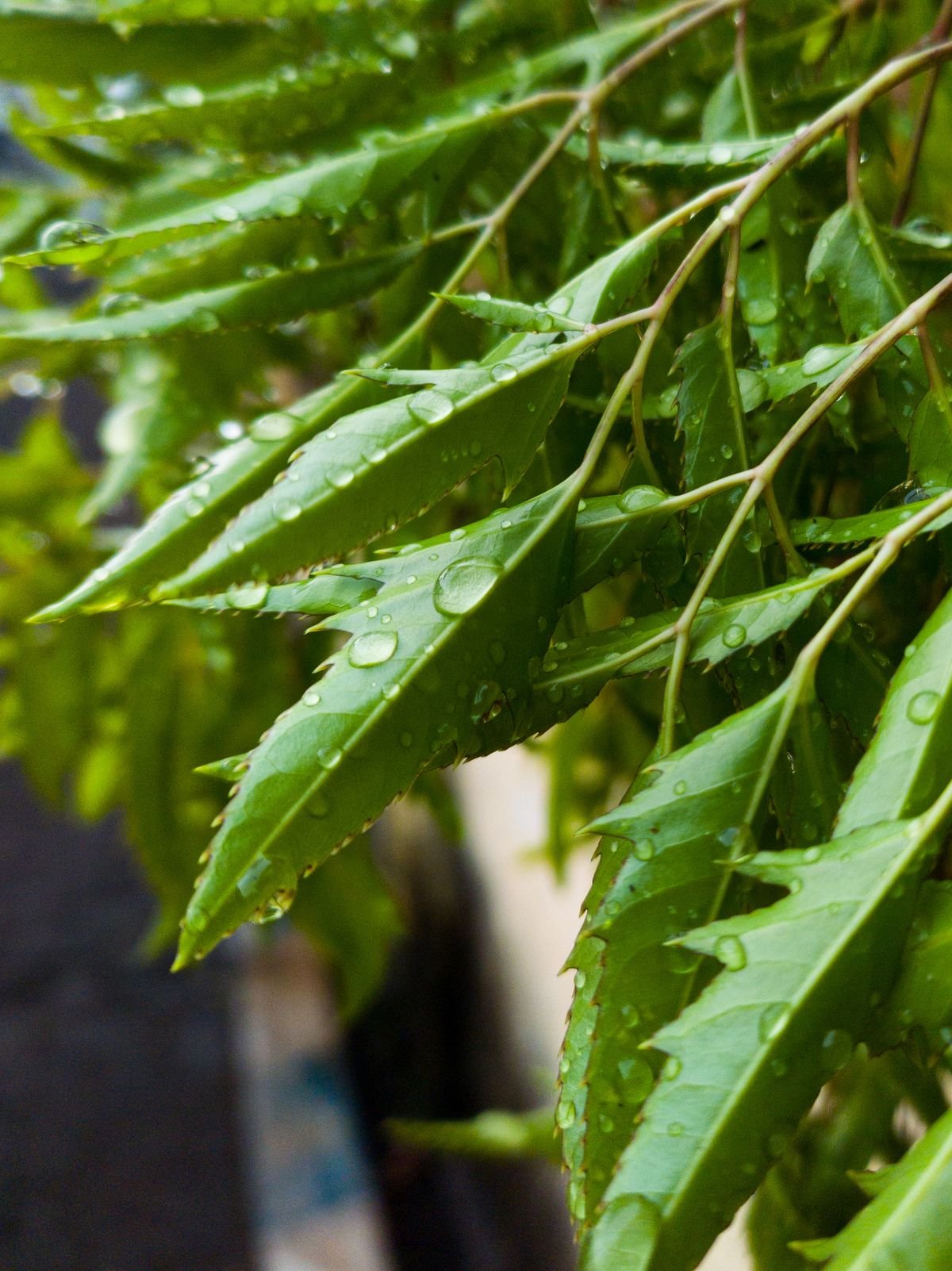
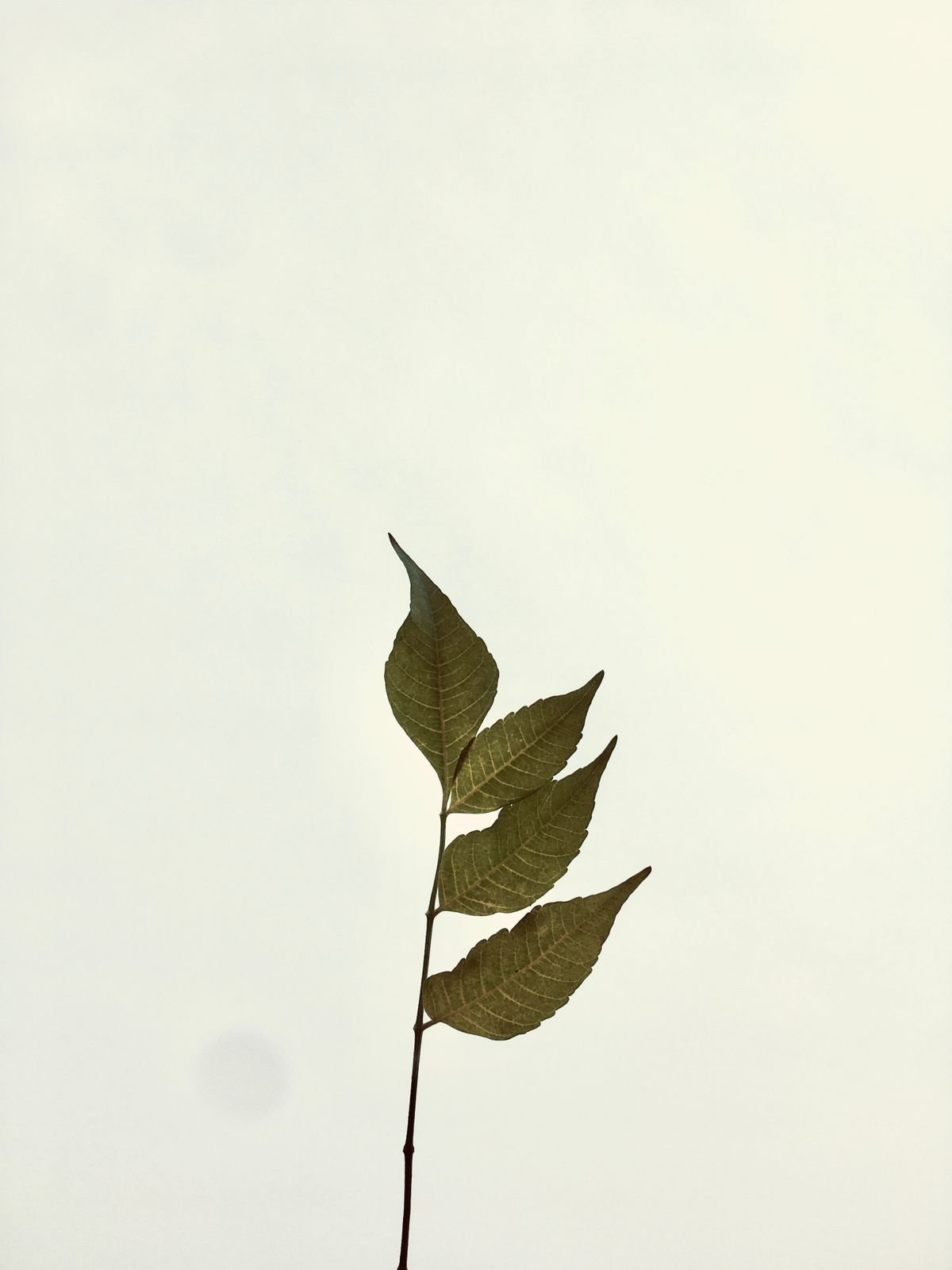
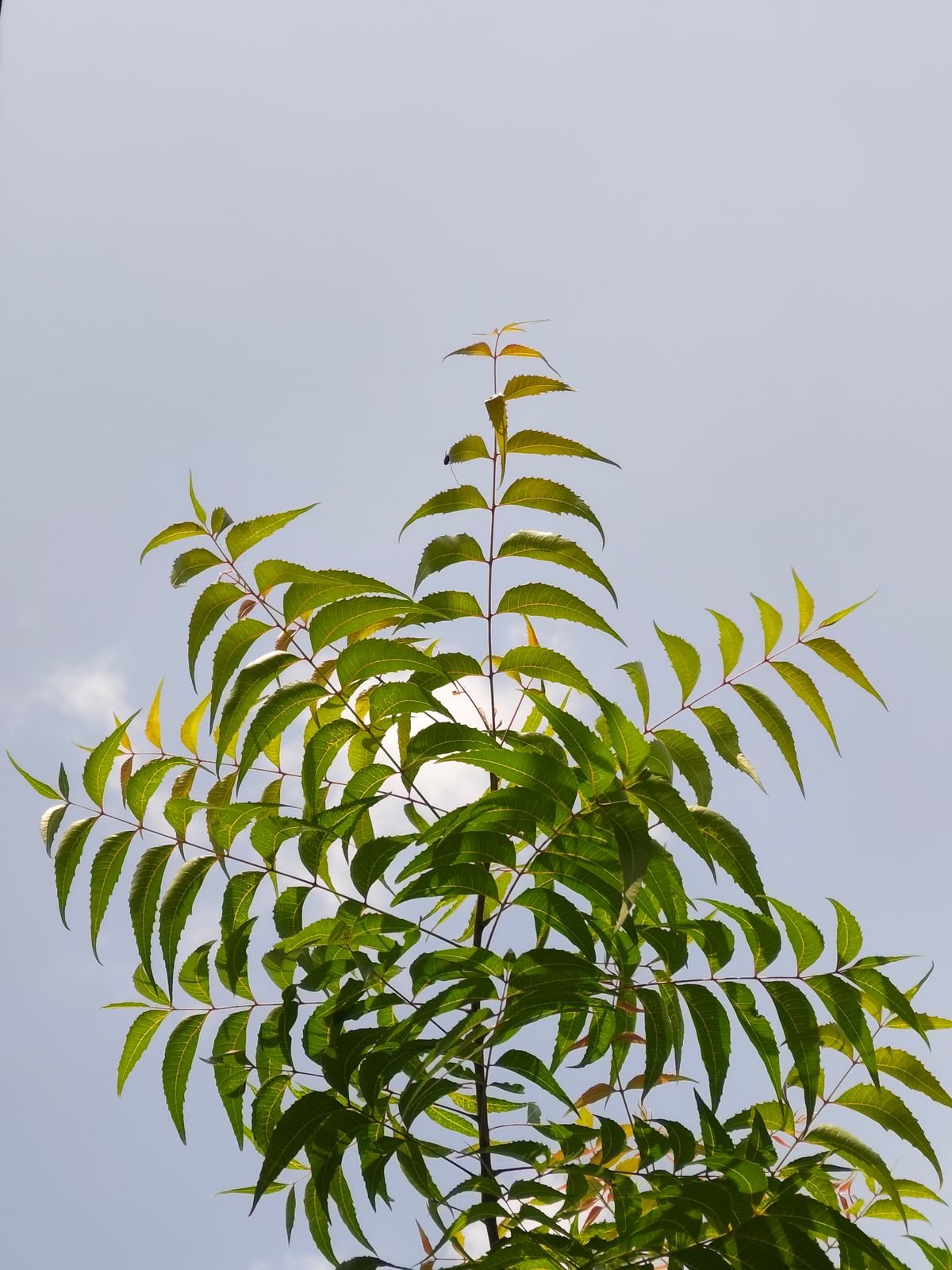
Neem leaves come from the neem tree (Azadirachta indica), a fast-growing evergreen native to the Indian subcontinent. The leaves are long, pointed and serrated, growing in pairs along a central stem, and they are a deep green colour. Fresh leaves are used in home remedies, while dried leaves are ground into powder for face packs and hair masks.
In Ayurveda, neem is considered bitter and cooling, and it is used to purify the blood, clear the skin and fight infections. The oil is pressed from the seeds, the bark is used in medicine, and the twigs (neem datun) have been used to clean teeth for centuries.
Neem leaves are different from neem oil. The leaves are mild and are used in water, paste and powder form. Neem oil is pressed from the seeds, it is much stronger, and it must always be diluted before use on the skin. Never use undiluted neem oil on your face or scalp. This guide is about the leaves; where neem oil is mentioned, it is always diluted.
What Is Inside Neem Leaves?
The neem leaves benefits come from their chemistry. Neem leaves contain nimbin, nimbidin, azadirachtin, quercetin, beta-sitosterol and a range of flavonoids and antioxidants. They also contain vitamin C, vitamin E, calcium and other minerals in small amounts.
Healthline’s guide to neem extract explains that neem packs over 140 active compounds that may give it antioxidant and anti-inflammatory effects, and that research shows promise for blood sugar management as well as benefits for hair, skin, teeth, liver and kidneys.
10 Neem Leaves Benefits
1. May Help Clear Acne and Pimples
The best-known of all neem leaves benefits is for acne. Neem leaves are antibacterial and anti-inflammatory, which means they can fight the bacteria that cause pimples and calm the redness and swelling around them. A neem face pack is one of the oldest home remedies for acne in India.
To use it, grind a handful of fresh neem leaves with a little water into a smooth paste and apply it to pimples for 15 to 20 minutes, then wash it off. Use it two or three times a week. Do a patch test first – apply a little on your jawline and wait a day – because neem can irritate sensitive skin. For more overnight options, read our guide on home remedies for pimples overnight.
2. Supports Healthy, Glowing Skin
Neem leaves help the skin in several ways. Their antioxidants fight the free radicals that damage skin cells and speed up ageing, their anti-inflammatory compounds calm redness and irritation, and their antibacterial action helps keep the skin clear. Neem is traditionally used for eczema, psoriasis and minor skin infections, though the scientific evidence for these uses is still limited.
Neem water is the simplest way to use it for skin: boil a handful of neem leaves in water, let it cool, and use it to wash your face once a day. It is gentle and it works as a natural cleanser. Do not use it on broken or badly irritated skin, and stop if it causes dryness or itching. A simple routine matters more than any single ingredient – our organic skincare guide explains how to build one. Neem water can also help skin look brighter; for tan specifically, see our guide on how to remove tan from face naturally.
3. May Reduce Dandruff and Soothe the Scalp
Neem is one of the most effective traditional remedies for dandruff. Dandruff is often caused by a fungus on the scalp, and neem’s antifungal and anti-inflammatory properties help fight it. Neem also soothes an itchy, irritated scalp and helps keep the scalp clean.
To use it, boil neem leaves in water, cool the water, and use it as a final rinse after shampooing, two or three times a week. You can also mix neem leaf powder with coconut oil and massage it into the scalp an hour before washing. Our scalp care routine for dandruff and hard water guide explains the full routine – neem water is one part of it, not the whole answer.
4. Promotes Stronger Hair
Neem leaves may help hair in two ways: by keeping the scalp healthy and by strengthening the hair itself. A healthy scalp grows healthy hair, and neem’s antifungal action keeps the scalp free of the buildup that weakens hair roots. Neem is also traditionally used to reduce hair fall and premature greying, though the evidence for greying is anecdotal.
Neem leaf paste applied to the scalp for 30 minutes before washing is the traditional method. Mix neem powder with curd or aloe vera gel for a smoother paste. If you have severe hair fall, get your iron, vitamin D and thyroid levels checked – neem helps the scalp, but it does not fix a nutrient deficiency. For more on this, read our aloe vera benefits for skin and hair guide, since aloe and neem work well together.
5. Supports Oral and Dental Health
Neem twigs have been used as toothbrushes in India for centuries, and modern research supports this habit. Neem is antibacterial and anti-inflammatory, and studies suggest it may help fight the bacteria that cause cavities, gum disease and bad breath. Neem is now a common ingredient in herbal toothpastes.
The simplest way to use neem for oral health is to chew a fresh neem twig in the morning – the traditional datun – or to rinse your mouth with cooled neem water. Do not swallow large amounts of neem water. If you have gum bleeding, tooth pain or loose teeth, see a dentist – neem supports oral hygiene, it does not treat dental disease.
6. May Help Manage Blood Sugar
Neem leaves may help with blood sugar control. Animal studies suggest that neem leaf extract can help lower blood sugar and improve how the body uses insulin. In Ayurveda, neem leaves are traditionally given to people with diabetes, often as a juice or powder taken in the morning.
The evidence in humans is still early, so this is a may help benefit. If you take diabetes medicine, tell your doctor before using neem leaves regularly, because they could add to the blood-sugar-lowering effect of your medicine and push your sugar too low. Never stop prescribed diabetes medicine in favour of neem.
7. May Boost Immunity
Neem leaves are traditionally used to strengthen immunity. Their antioxidant compounds help fight the free radicals that weaken the immune system, and their antimicrobial action helps the body fight infections. In Ayurveda, neem is considered a blood purifier, and it is given in spring to cleanse the body after winter.
A glass of neem water in the morning, once or twice a week, is the traditional immunity habit. Do not drink neem juice every day for months – neem is strong, and long-term daily use can irritate the stomach and affect the liver.
8. Helps Heal Minor Wounds and Skin Infections
Neem leaves have been used on minor cuts, wounds and skin infections for centuries. Their antibacterial and anti-inflammatory compounds help keep a wound clean and reduce swelling, and animal studies suggest neem leaf extract may speed up wound healing. Neem paste is traditionally applied to small cuts, boils and insect bites.
Use neem only on minor, clean, superficial wounds. Wash the wound first with clean water, apply a thin layer of neem paste, and cover it loosely. Do not apply neem to deep wounds, burns or wounds that show signs of infection – redness spreading, pus, fever – because those need medical care. Neem supports healing; it does not replace it.
9. May Support Liver Health
The liver filters everything we eat and drink, and neem’s antioxidant compounds may help protect it from damage. Animal studies suggest neem leaf extract can reduce oxidative stress in the liver and support its normal function. In Ayurveda, neem is given as part of liver-cleansing routines for this reason. The evidence is from animal studies, not human trials, so this benefit should not be overstated. The best things for liver health remain simple: avoid alcohol, eat less fried food, stay at a healthy weight, and do not take unnecessary medicines. Neem can support a healthy liver; it cannot repair a damaged one.
10. Acts as a Natural Insect Repellent
Neem is a natural insect repellent. Its active compound, azadirachtin, disrupts the growth and reproduction of insects, which is why neem oil is used in farming as a pesticide. At home, neem leaves are traditionally kept in cupboards and grain stores to keep insects away, and neem oil is used on the skin to repel mosquitoes. Medical News Today explains how neem oil is used, the risks to consider, and its other benefits.
To use it, burn dried neem leaves in the evening – the smoke keeps mosquitoes away – or mix a few drops of diluted neem oil with coconut oil and apply it to exposed skin. Never use undiluted neem oil on the skin.
How to Use Neem Leaves at Home
The neem leaves benefits are easy to get, because the methods are simple. Here are the five most useful ways:
- Neem water. Boil 10 to 15 fresh neem leaves in 2 cups of water for 5 minutes. Cool, strain and use it to wash your face or rinse your hair. For drinking, use a weaker preparation – 5 to 6 leaves in a glass of water, boiled and strained – and drink it once or twice a week, not every day.
- Neem paste. Grind fresh neem leaves with a little water into a smooth paste. Apply it to pimples, rashes or the scalp for 15 to 30 minutes, then wash off. Mix it with curd, honey or aloe vera gel if the paste feels too strong or drying.
- Neem powder. Dry neem leaves in the shade for a week, then grind them into a fine powder and store it in an airtight jar. Mix one teaspoon with water, curd or rose water to make a face pack, or with coconut oil for a hair mask.
- Neem oil (diluted only). Mix 3 to 4 drops of pure neem oil with a tablespoon of coconut or olive oil. Massage it into the scalp an hour before washing, or apply it to dry patches of skin. Never use undiluted neem oil on the skin, and never take neem oil by mouth – it can be toxic.
- Neem datun. Chew the end of a fresh neem twig until it frays into a brush, then use it to clean your teeth in the morning. This is the oldest use of neem, and it still works. Rinse your mouth with water afterwards.
Who Should Avoid Neem Leaves?
Neem leaves are strong, and they are not for everyone:
- Pregnant and breastfeeding women should avoid neem leaves, neem juice and neem oil, because neem may affect pregnancy. Food amounts in cooking are different from medicinal amounts – ask your doctor.
- Children should not be given neem oil by mouth. There have been cases of serious harm in children who swallowed neem oil. Neem water on the skin is different, but keep neem oil out of reach of children.
- People trying to conceive should avoid neem in medicinal amounts, because neem has traditionally been used to prevent pregnancy and may affect fertility.
- People with liver or kidney disease should not take neem internally without a doctor’s advice.
- People taking diabetes, blood pressure or immune-suppressing medicine should tell their doctor, because neem can add to the effects of these medicines.
Stop using neem and see a doctor if you get a rash, itching, stomach pain, nausea or dizziness after using it. WebMD’s Neem page lists safety information and possible side effects to consider before use.
Neem Leaves vs Tulsi: Which Is Better?
Neem and tulsi are the two most famous medicinal plants in Indian homes, and they are often used together. Neem is bitter and cooling – best for skin infections, acne, dandruff, oral health and insect bites, and stronger, so use it in short courses. Tulsi (holy basil) is warming and calming – best for immunity, stress, colds and coughs, and gentle enough for daily use as a tea, as our tulsi holy basil benefits guide explains. In practice, many homes use both: tulsi tea every morning, and neem water or paste when there is a skin or scalp problem.
FAQs About Neem Leaves Benefits
Can I drink neem water every day?
No. Drink neem water once or twice a week at most, and take breaks. Neem is strong, and daily long-term use can irritate the stomach and affect the liver. For daily use, tulsi tea is a better choice.
Is neem good for acne?
Neem may help with acne because of its antibacterial and anti-inflammatory properties. A neem face pack two or three times a week can reduce pimples and redness, but it is not a cure for severe acne, which needs a dermatologist.
Is neem oil safe for skin?
Only when diluted. Mix a few drops of neem oil with a carrier oil like coconut or olive oil, do a patch test first, and never apply undiluted neem oil to your face or scalp. Never take neem oil by mouth.
Can I use neem leaves on my baby’s skin?
Do not use neem paste or neem oil on babies and very young children without a doctor’s advice. Their skin is very sensitive, and neem oil can be toxic if swallowed.
Conclusion
The neem leaves benefits are real and wide-ranging: clearer skin, less dandruff, stronger hair, healthier teeth and gums, and support for blood sugar and immunity. Neem has been India’s village pharmacy for thousands of years, and modern research is slowly confirming what tradition already knew.
Use it wisely: neem water for your face and hair, neem paste for pimples and dandruff, neem datun for your teeth – and always in short courses, never every day for months. That is how a strong medicine stays safe.
If you liked this guide, read our aloe vera benefits for skin and hair guide next, and try adding neem to your weekly routine – not your daily one.
Disclaimer: This article is for general information only and is not medical advice. Neem is a strong medicinal plant. Pregnant and breastfeeding women, children, and people taking regular medicine should talk to a doctor before using neem leaves or neem oil. Never swallow neem oil. If symptoms persist or get worse, seek medical care.