
In many Indian homes, tulsi is not just a plant — it is a member of the household. It grows in a pot by the front door or in the courtyard, it is watered every morning, and its leaves are plucked for tea, for a cough, or for a prayer. The tulsi benefits described in Ayurveda are wide-ranging: it is called the “queen of herbs,” and it is traditionally used for immunity, stress, respiratory comfort, and general well-being. Modern research has begun to look at these traditional uses, and while the evidence is still early, tulsi is a genuinely useful, low-cost herb that most Indian families can grow at home for free.
This article explains the traditional uses of tulsi, what research suggests so far, a simple tulsi tea recipe, other everyday uses, how to grow tulsi at home, and the safety notes that matter — especially in pregnancy and for people taking blood thinners.
What Is Tulsi?
Tulsi, or holy basil (Ocimum sanctum or Ocimum tenuiflorum), is a fragrant herb in the basil family, but it is not the same as the sweet basil used in Italian cooking. It has a sharper, more peppery, slightly clove-like scent, and its leaves are smaller and more delicate. There are several types, most commonly Rama tulsi (green leaves) and Krishna tulsi (purplish leaves). Both are used in Ayurveda, and both make good tea.
In Ayurveda, tulsi is considered warming, balancing, and supportive of the respiratory system and the mind. It is traditionally used to help with coughs and colds, to calm the mind, to support digestion, and as a daily tonic for general health. In Hindu tradition, tulsi is also a sacred plant, associated with the goddess Lakshmi and with protection for the home. That cultural importance is part of why it is so widely grown — and why it is so easy to find in India.
Tulsi leaves contain essential oils, including eugenol, the compound that gives cloves their scent, along with other plant compounds with antioxidant activity. These compounds are the focus of most modern research on tulsi, although the research is still at an early stage, with many studies done in laboratories or in small groups of people.
Tulsi Benefits for Immunity and Stress
Tulsi is traditionally taken as a daily tonic, and the two benefits people mention most are immunity and stress. In Ayurvedic terms, tulsi is an adaptogen — a herb believed to help the body cope with stress — and it is often recommended during seasonal changes, when colds and coughs are common.
What does the research say? A small number of human studies have suggested that tulsi may support immune function and may help people feel calmer and less stressed, but the studies are few, small, and short. One often-cited study found that healthy adults taking tulsi extract for four weeks had some changes in immune markers, but this is a long way from proving that tulsi prevents illness. The evidence for stress is similar: some people report feeling calmer after drinking tulsi tea regularly, but there are no large, long-term trials to confirm this.
That does not mean tulsi is useless. A daily cup of tulsi tea is a calming ritual in itself, it replaces a caffeinated drink, it provides hydration, and it is a pleasant way to take a few minutes for yourself. If it also has mild adaptogenic effects, that is a bonus, not the whole story. As with other herbs in this batch, the honest position is that tulsi is a traditional, low-risk daily drink with early, encouraging research — not a proven medicine.
Tulsi Benefits for Respiratory Comfort
Respiratory comfort is where tulsi is most often used in Indian homes, and it is also where its traditional use is most specific. Tulsi leaves are a common ingredient in kadha, the spiced decoction made during a cold or cough, and tulsi tea is often the first thing offered when someone starts coughing in winter.
The reasoning is practical: tulsi has a warming, slightly decongesting quality, its essential oils have a pleasant, clearing scent, and a hot drink soothes a sore throat and encourages rest and fluids. Some laboratory studies suggest tulsi extracts may have antimicrobial and anti-inflammatory activity, but these results do not translate directly into a treatment for a cold, a cough, or a chest infection. A cold is caused by a virus, and no herb cures it. What tulsi tea can do is make you more comfortable while the cold runs its course, and that is a useful, honest role.
If a cough lasts more than two to three weeks, if you have breathlessness, wheezing, or a high fever, or if you are coughing up blood, see a doctor promptly. These are not situations for home remedies alone.
Tulsi Tea Recipe
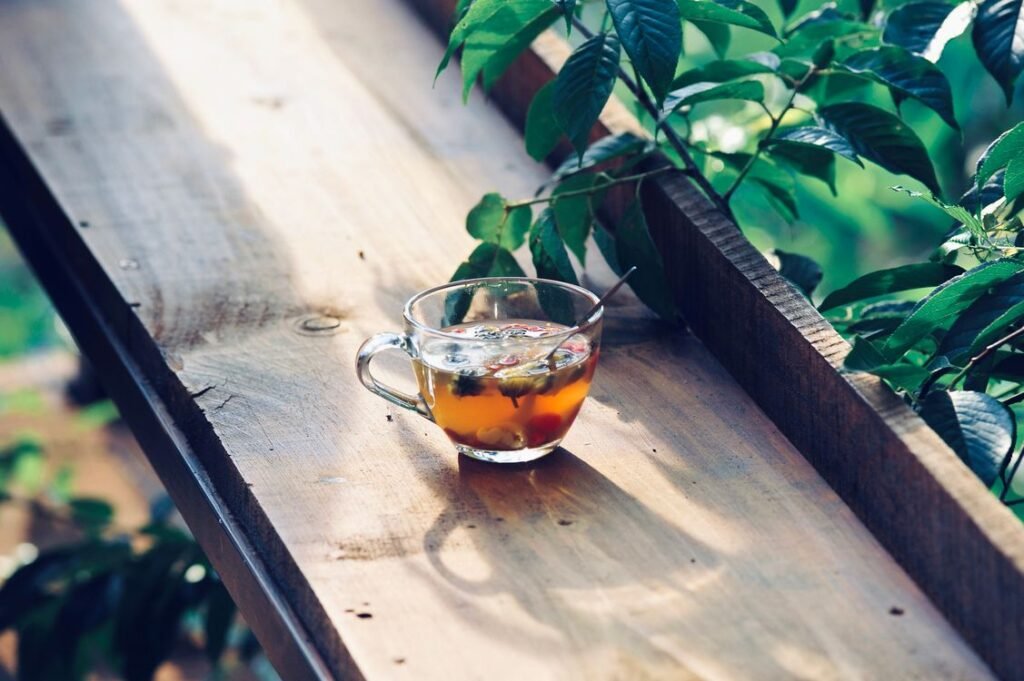
Tulsi tea is simple to make, and fresh leaves are best if you have a plant at home. Dried tulsi leaves, sold in most Ayurvedic shops and online for about ₹100 to ₹200 for a packet, work well too.
Simple tulsi tea (1 cup)
- 8–10 fresh tulsi leaves, washed, or 1 teaspoon dried tulsi leaves
- 1 cup (about 200 ml) water
- Optional: a small piece of fresh ginger, grated; a few tulsi leaves extra for flavour; a teaspoon of honey, added after the tea cools slightly; a squeeze of lemon
Method:
- Bring the water to a boil in a small pan.
- Add the tulsi leaves and ginger, if using, and lower the flame.
- Simmer gently for 5–7 minutes, until the water turns a light green-gold colour and smells fragrant.
- Strain into a cup, let it cool for a minute, and add honey or lemon if you like.
- Drink it warm, once or twice a day.
A few practical tips: do not boil tulsi leaves hard for a long time, as this can make the tea bitter. If you use dried leaves, a shorter simmer of 3–4 minutes is enough. Honey should never be added to boiling-hot tea — wait until it is comfortably warm. And if you are making tulsi tea for a child, make it milder, with fewer leaves and no honey for children under one.
You can also make a larger pot in the morning and keep it in a flask for the day, but fresh is best. Tulsi tea is caffeine-free, so it is a good evening drink, and it pairs well with a little ginger in winter or a squeeze of lemon in summer.
Everyday Uses of Tulsi in Ayurveda
Beyond tea, tulsi has many everyday uses in Indian homes:
- In kadha: Tulsi leaves are one of the main ingredients in kadha, the traditional decoction for colds, along with ginger, black pepper, cinnamon, and cloves. A small cup of kadha once a day during a cold is a common home practice.
- For a cough: Chewing two or three fresh tulsi leaves, or drinking tulsi tea with honey, is a traditional remedy for a mild cough and sore throat. It is soothing, not curative, and it should not replace medical care for a persistent cough.
- For the mouth: Tulsi is sometimes used in mouthwashes and tooth powders, and chewing a tulsi leaf after a meal is a traditional way to freshen the breath. Its essential oils have a pleasant, clean scent.
- For the skin: A paste of tulsi leaves mixed with water or rose water is sometimes applied to minor skin irritations or insect bites in home remedies. Do a patch test first, avoid broken skin, and see a doctor for any skin problem that does not settle quickly.
- As a daily tonic: Many families drink a cup of tulsi tea in the morning as a daily habit, in the same way others drink green tea. It is a low-cost, caffeine-free routine that fits easily into an Indian day.
- In the home: A tulsi plant by the door is believed in tradition to purify the air and protect the home. Whether or not you share that belief, a tulsi plant is a pleasant, fragrant addition to a balcony or courtyard, and it attracts pollinators.
Tulsi is also available as capsules, extracts, and powders, but for most people, fresh leaves or a simple tea is enough. Supplements are more concentrated, more expensive, and more likely to interact with medicines — and they are not necessary for everyday use.
Growing Tulsi at Home
One of the best things about tulsi is that it is easy to grow, even in a small flat. A single plant can provide fresh leaves for months, and it costs almost nothing.
- Pot and soil: Use a medium-sized pot with drainage holes, filled with well-drained soil mixed with a little compost. Tulsi does not like waterlogged soil.
- Sunlight: Tulsi needs at least 4–6 hours of sunlight a day. A sunny balcony, windowsill, or courtyard is ideal. In very hot summers, a little afternoon shade helps.
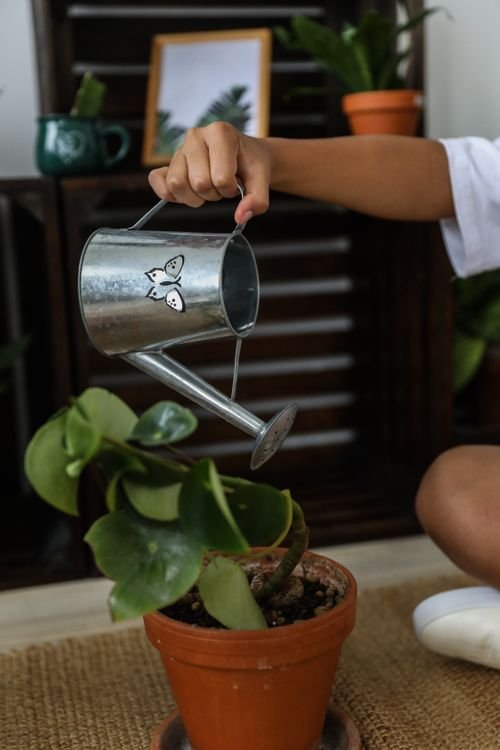
- Watering: Water daily in summer, less often in winter. Keep the soil moist but not soggy. Water in the morning, at the base of the plant, not on the leaves.
- Seeds or sapling: You can grow tulsi from seed, sown thinly on the surface of the soil, or buy a small sapling from a nursery for ₹20 to ₹50. Seeds take a week or two to germinate.
- Pinching and harvesting: Pinch off the top of the plant regularly to encourage bushy growth, and remove flower heads to keep the leaves growing. Pick leaves in the morning, when their scent is strongest.
- Winter care: Tulsi is sensitive to cold. In North Indian winters, move the pot to a sheltered, sunny spot, and cover it on very cold nights if frost is expected.
A healthy tulsi plant can last a season or more, and it will often self-seed, giving you new plants for free. Growing your own also means you know exactly what you are drinking — no pesticides, no additives, just fresh leaves.
Safety Notes: Pregnancy and Blood Thinners
Tulsi is generally considered safe as a food and as a tea in normal amounts, but a few safety notes are important:
- Pregnancy: Tulsi is traditionally considered best avoided in large amounts during pregnancy, as some sources suggest it may affect fertility and pregnancy. A cup of mild tulsi tea occasionally is a different matter from daily concentrated supplements, but if you are pregnant or trying to conceive, it is sensible to ask your doctor before using tulsi regularly or in supplement form.
- Blood thinners: Tulsi may have mild blood-thinning effects, and its essential oil, eugenol, can affect blood clotting. If you take blood-thinning medicines such as warfarin or aspirin, or you are scheduled for surgery, tell your doctor about regular tulsi use, and stop tulsi supplements at least two weeks before planned surgery unless your doctor advises otherwise.
- Blood sugar: Tulsi may have a mild blood-sugar-lowering effect. If you take diabetes medicines, monitor your blood sugar as usual and ask your doctor before taking tulsi supplements.
- Children: Tulsi tea in mild amounts is a traditional home drink for children over one, but keep it light and do not give tulsi supplements to children without a paediatrician’s advice.
- Allergies: Tulsi is in the basil family. If you are allergic to basil, mint, or related herbs, be cautious and try a small amount first.
If you take any regular medicine, mention tulsi to your doctor or pharmacist before starting a daily supplement. A cup of tea made from a few fresh leaves is a food-level amount, but a concentrated extract is a different matter.
Frequently Asked Questions
Can I drink tulsi tea every day?
For most healthy adults, a cup or two of tulsi tea a day, made from fresh or dried leaves, is a reasonable daily habit. It is caffeine-free and low-risk in food amounts. If you are pregnant, take blood thinners, or take diabetes medicines, check with your doctor first.
Is tulsi the same as basil?
No. Tulsi is holy basil (Ocimum sanctum), a different species from sweet basil (Ocimum basilicum), the herb used in Italian cooking. They are related, but tulsi has a sharper, more peppery, clove-like flavour, and it is the one used in Ayurveda.
Can tulsi cure a cold?
No. Tulsi tea can soothe a sore throat, help you feel more comfortable, and encourage rest and fluids, but it does not cure a cold or a viral infection. If a cold is severe, or a cough lasts more than two to three weeks, see a doctor.
The Bottom Line
Tulsi is one of India’s most loved herbs for good reasons: it is sacred, fragrant, easy to grow, cheap, and versatile. A daily cup of tulsi tea, a few leaves in kadha during a cold, and a plant on the balcony are simple, traditional habits that fit easily into Indian life. The research on tulsi is early and encouraging, but it is not yet strong enough to support big medical claims, and tulsi should never replace medical care. Enjoy it as a daily drink and a home plant, grow it if you can, and check with your doctor if you are pregnant, take blood thinners, or take diabetes medicines.
Disclaimer: This article is general information only and is not medical advice. It does not diagnose or treat any condition. See a doctor for diagnosis, or before starting a supplement or treatment, especially if you are pregnant, take blood thinners, or take diabetes medicines.