
Your heart is racing, your palms are sweaty, and your mind is running through every bad thing that could happen — even though nothing is actually wrong right now. If that sounds familiar, you may be dealing with anxiety — and knowing the main anxiety symptoms and home remedies can help you feel in control again. It is far more common than people admit, and in India it is still something many of us suffer through quietly.
Anxiety itself is not the enemy. It is your body’s alarm system, built to protect you from danger. The problem starts when the alarm goes off all the time — at work, at home, in the middle of the night — over things that are not actually dangerous.
Anxiety Symptoms and Home Remedies: What Anxiety Feels Like
Anxiety shows up in the mind, the body, and behaviour. Not everyone gets every symptom, and they can come and go. Here are the most common ones.
Mental and emotional symptoms
- Constant worry that is hard to switch off, even about small things
- Racing thoughts, especially at night
- Feeling on edge, restless, or irritable for no clear reason
- Trouble concentrating — reading the same line three times
- A sense of dread, as if something bad is about to happen
- Overthinking conversations and decisions long after they are over
Physical symptoms
- Racing or pounding heartbeat; sweaty palms or shaking hands
- Shortness of breath or a tight feeling in the chest
- Stomach problems — nausea, acidity, or a “butterflies” feeling
- Headaches, jaw clenching, or tight shoulders
- Feeling tired all the time, even after sleeping
Behavioural symptoms
- Avoiding places, people, or situations that make you anxious
- Checking things repeatedly — locks, messages, emails
- Putting off tasks because thinking about them feels overwhelming
If you recognise several of these and they have lasted for weeks, you are not “just stressed.” It may be anxiety, and it deserves attention — just like any other health issue.
What Causes Anxiety?
There is rarely a single cause. Usually it is a mix of several things: ongoing stress (work pressure, money worries, exams, or health problems in the family) that keeps your alarm system switched on for months; family history, since anxiety runs in families; brain chemistry, which can make some people react more strongly to stress; and life changes like moving cities, losing a job, a breakup, or the loss of a loved one. Health issues such as thyroid problems and low blood sugar can also cause anxiety-like symptoms, which is why a doctor’s check is worth doing.
Too much caffeine and too little sleep make it worse — four cups of chai or coffee a day plus poor sleep is a reliable recipe for a jittery, anxious feeling.
Anxiety Symptoms and Home Remedies: What Actually Helps at Home
Home remedies cannot replace professional help for severe anxiety, but for mild to moderate anxiety they can make a real difference. The key is regularity — doing these things most days, not just once when you feel bad.
1. Slow breathing — the fastest calmer
When anxiety hits, your breathing becomes fast and shallow, which makes the panic worse. Slow breathing breaks the loop. Try the 4-4-6 method: breathe in for 4 counts, hold for 4, breathe out slowly for 6 counts. The long exhale is the part that calms your nervous system. Do it for two or three minutes — at your desk, in the metro, or in bed at night. For more techniques, see our guide “Breathwork for Anxiety: Techniques That Calm You in Minutes“.
2. The 5-4-3-2-1 grounding technique
When your mind is spiralling, grounding pulls you back to the present moment. Name 5 things you can see, 4 things you can touch, 3 things you can hear, 2 things you can smell, and 1 thing you can taste. It sounds simple, but it works because it forces your brain to focus on real, present details instead of imagined worries.
3. Daily movement
Exercise is one of the most reliable natural remedies for anxiety. A brisk 30-minute walk, yoga, cycling, dancing, or any movement you enjoy can lower anxiety noticeably. It burns off stress hormones and releases the brain chemicals that lift mood. Morning walks have a bonus: daylight helps your sleep, and better sleep means less anxiety the next day.
4. A regular sleep routine
Anxiety and poor sleep feed each other. When you sleep badly, you are more anxious the next day; when you are anxious, you sleep badly. Break the loop with a fixed sleep and wake time, no phone for an hour before bed, and a cool, dark bedroom. Our guide “How to Sleep Better at Night Naturally: 12 Habits That Actually Work” covers the full routine, and “How to Fall Asleep Fast Naturally: 9 Methods That Work Tonight” has techniques for the nights when your mind will not switch off.
5. Cut back on caffeine and sugar
If you are anxious, try cutting your chai or coffee down to one or two cups a day, and none after 2 p.m. Many people are surprised how much calmer they feel within a week. Sugary snacks and energy drinks have a similar effect — a quick rush followed by a jittery crash.

6. Warm, calming drinks and foods
A cup of chamomile tea, tulsi tea, or warm milk with haldi in the evening can be genuinely soothing — partly because of the ingredients, and partly because the ritual itself signals your body to slow down. Foods rich in magnesium — bananas, dark chocolate in small amounts, pumpkin seeds, leafy greens — also support a calmer nervous system.
7. Write it down
When worries spin in your head, they feel enormous. Writing them on paper shrinks them. Spend five minutes each evening noting what worried you today and one small step you can take about each worry tomorrow.
8. Talk to someone
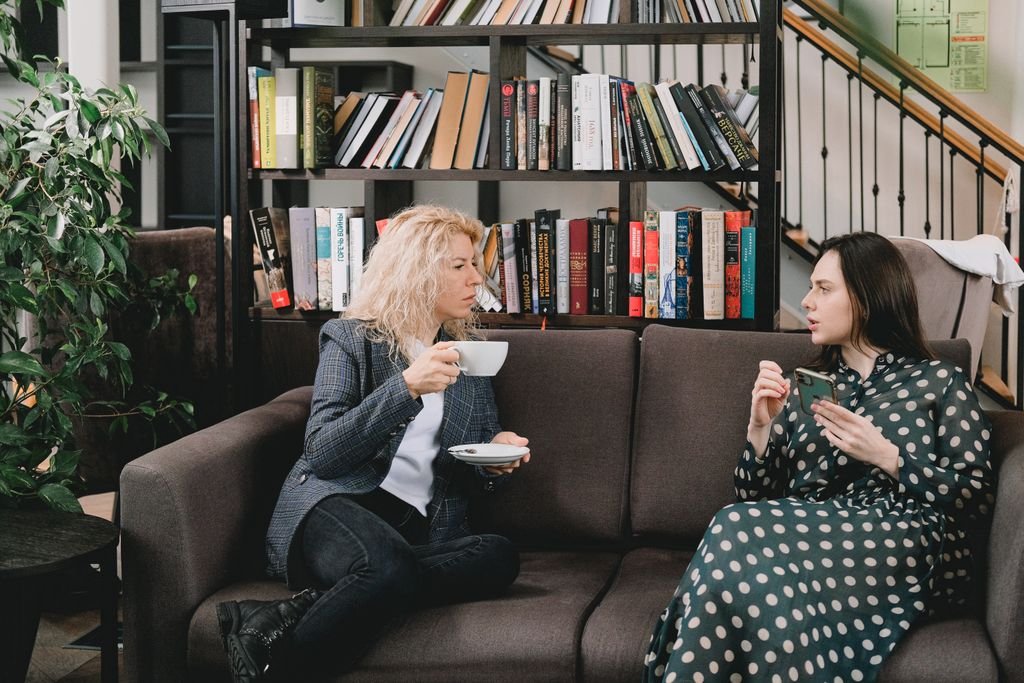
Anxiety grows in silence. Talking to a trusted friend, a family member, or a partner about what you are feeling can lighten the load immediately. You do not need a perfect explanation — just saying “I have been feeling anxious lately” is enough to start.
9. Limit news and social media
Constant bad news and endless scrolling keep your stress system switched on. Try a simple rule: check the news once a day, for 15 minutes, and keep social media to set times. Many people find their anxiety drops sharply within a few days of cutting back.
You do not need to try every remedy at once. Pick two or three habits, do them for two weeks, and notice what changes. Then add more.
When Anxiety Symptoms and Home Remedies Are Not Enough
Home remedies help mild to moderate anxiety, but they are not a substitute for professional help when anxiety is severe. Please see a doctor or a mental health professional if anxiety lasts more than a few weeks and affects your work, studies, or relationships; if you have panic attacks — sudden intense fear with a racing heart, breathlessness, or a feeling that something terrible is about to happen; if you avoid leaving home or doing normal activities because of anxiety; or if you feel low or hopeless most days, or have thoughts of harming yourself — in that case, reach out for help right away. In India,
you can call the Tele MANAS helpline at 14416 or iCall at 9152987821, both free and confidential. New or severe chest pain or breathlessness should also be checked promptly to rule out a heart or lung problem.
There is no shame in getting help for anxiety. It is a health condition, like diabetes or high blood pressure, and it responds well to treatment — therapy, lifestyle changes, and, when needed, medicine prescribed by a doctor.
Frequently Asked Questions
Anxiety symptoms and home remedies: what are the first signs of anxiety?
The earliest signs are usually constant worry that is hard to switch off, restlessness, trouble sleeping, a racing heart, and avoiding situations that make you nervous. Physical signs like stomach problems, headaches, and muscle tension often appear too.
What are the best anxiety symptoms and home remedies?
Slow breathing is the fastest home remedy — breathe in for 4 counts, hold for 4, breathe out for 6, for two or three minutes. For longer-term relief, daily walking, a regular sleep routine, cutting back on caffeine, and writing down your worries each evening work well together. No single remedy fixes everything; a small set of daily habits works best.
Anxiety symptoms and home remedies: can anxiety be cured at home without medicine?
Mild anxiety often improves a lot with lifestyle changes — exercise, sleep, less caffeine, breathing practice, and talking to someone. Moderate to severe anxiety may need therapy or medicine as well, and there is nothing wrong with that.
Anxiety symptoms and home remedies: what foods help reduce anxiety naturally?
Foods rich in magnesium (bananas, leafy greens, pumpkin seeds, dark chocolate in small amounts), omega-3 foods like walnuts and flaxseeds, and calming drinks like chamomile or tulsi tea can support a calmer mood. Just as important is cutting back on caffeine, alcohol, and very sugary foods.
Anxiety symptoms and home remedies: when should I see a doctor for anxiety?
See a doctor if anxiety lasts more than a few weeks, affects your daily life, causes panic attacks, or comes with new physical symptoms like chest pain or breathlessness. If you ever have thoughts of harming yourself, reach out for help immediately — call Tele MANAS at 14416 in India.
The Bottom Line on Anxiety Symptoms and Home Remedies
Anxiety is common, it is real, and it is treatable. The symptoms — racing thoughts, a pounding heart, restlessness, poor sleep — are your body’s alarm system working overtime. Home remedies like slow breathing, grounding, daily walks, better sleep, less caffeine, and talking to someone can quiet that alarm considerably. Start small, be steady, and if the anxiety keeps affecting your life, talk to a doctor.
This article is for general information only and is not medical advice. Please consult a doctor for personal advice.