
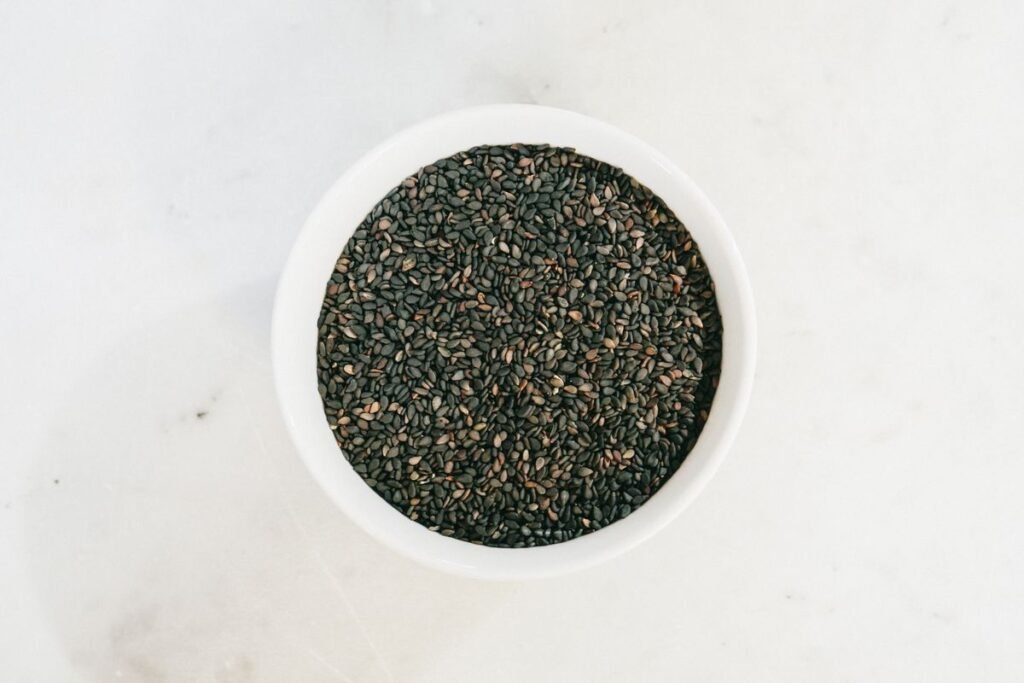
Every January, Indian kitchens fill with the smell of roasting til and melting jaggery. Kala til has been part of Indian winter food for centuries. The honest answer is that black sesame seeds benefits are genuinely impressive on paper — very high calcium, good iron, magnesium and healthy fats in a tiny seed — but the amount you actually eat matters. This guide covers the benefits, the daily amount, five easy uses, and who should be careful.
Black Sesame Seeds vs White: What’s the Difference?
Both come from the same plant, but black sesame seeds keep their dark outer hull, while white sesame seeds have it removed. That hull is where much of the extra nutrition sits. Black til has slightly more iron and calcium than white, plus anthocyanins — the dark plant pigments that act as antioxidants, the same family of compounds that makes jamun and black grapes dark.
6 Black Sesame Seeds Benefits
Here are the benefits that hold up, with the limits stated plainly.
1. May Help With Hair Fall
This is the reason most people search for kala til, so let’s start here. Hair needs protein, iron, zinc and vitamin E to grow well, and black sesame seeds carry all four. A spoon a day adds a little of each — useful if your hair fall is linked to low iron or poor nutrition. But no food can regrow hair lost to genetics or thyroid problems. For the full picture, read our guide on hair fall after weight loss: why it happens and how to regrow hair naturally.
2. Very High in Calcium for Bones
This is kala til’s strongest card. Black sesame seeds contain about 975 mg of calcium per 100 grams — more than milk by weight. One tablespoon — about 9 grams — gives you roughly 88 mg of calcium, plus magnesium and zinc. A daily spoon of til, alongside ragi, curd, palak and sunlight, supports bone strength — especially for women after 40. The U.S. National Institutes of Health lists sesame seeds among calcium-rich foods and explains how much calcium adults need each day: https://ods.od.nih.gov/factsheets/Calcium-Consumer/
3. A Useful Source of Iron
Black til is also rich in iron — about 14.6 mg per 100 grams, which means a tablespoon gives you roughly 1.3 mg. That’s a meaningful chunk for a vegetarian diet, where iron usually comes from dal and greens. Pair til with vitamin C — lemon over chutney, or an amla — to help absorption. See our guide on iron deficiency in Indian women: symptoms, foods and when supplements are needed and our 7-day plan to increase haemoglobin with vegetarian Indian foods.
4. Steady Energy Without a Crash
A tablespoon of sesame seeds carries healthy fats — mostly monounsaturated and polyunsaturated — plus magnesium and B vitamins. Fats digest slowly, so the energy from til lasts longer than the quick spike you get from sugar.
5. Good for Skin
Sesame seeds contain vitamin E and zinc, two nutrients the skin uses to repair itself, plus sesamin and sesamolin — plant compounds with antioxidant activity. As with all food-based skin claims, keep expectations modest. Til supports skin health; it doesn’t clear acne or erase scars. Sleep, sun protection and water matter far more, and til is one small piece of the whole routine.
6. Supports Heart Health
The fats in sesame seeds are the heart-friendly kind, and sesame contains phytosterols — plant compounds that can help reduce how much cholesterol the gut absorbs. Eaten in place of less healthy fats (like reusing old frying oil or eating too much vanaspati), til is a clear step up for heart health. It is still a fatty food, so the portion matters — a spoon, not a bowl.
How Much Kala Til to Eat Daily?
The standard, sensible amount is 1 tablespoon a day — about 9 grams, roughly 50 calories. That gives you the calcium, iron and magnesium without loading up on calories. The benefits come from doing a small amount every day for months, not from eating a lot once in a while.
4 Easy Ways to Eat Black Sesame Seeds Daily
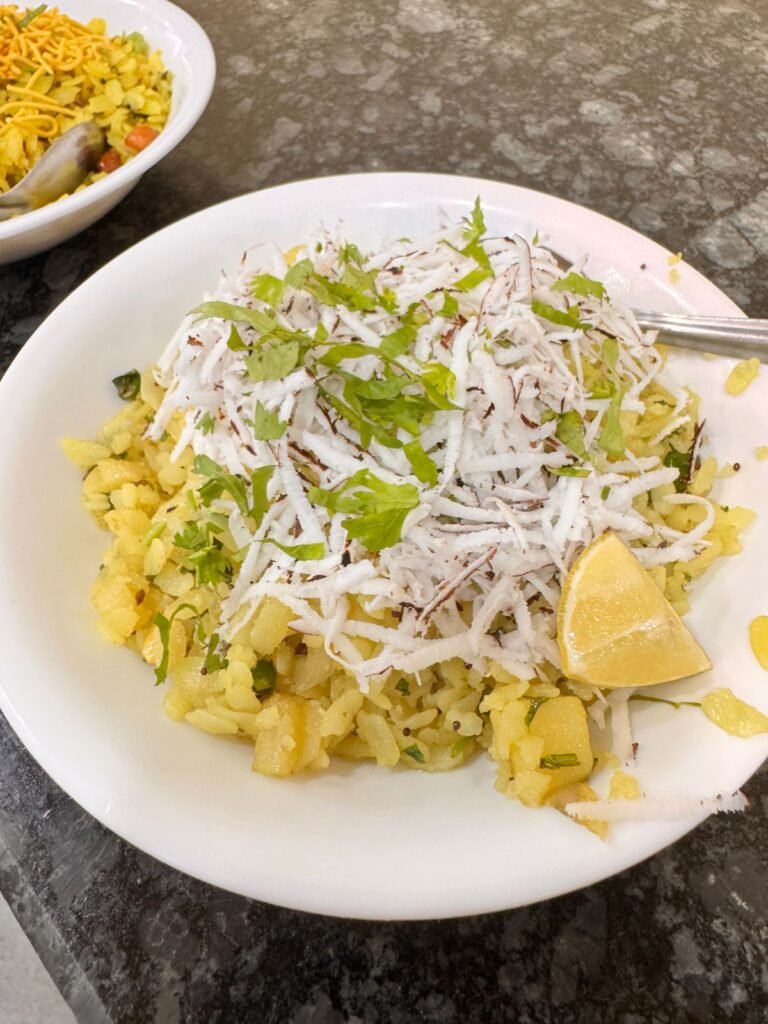
You don’t need special recipes. Til slips into food you already eat. Til laddoo: roast 1 cup kala til till it pops, grind coarse, mix with warm jaggery syrup and elaichi, roll into balls. Til chutney: roast til with peanuts, chillies and garlic; grind with salt, lemon and water. It keeps in the fridge for a week and goes with dosa, idli, roti or rice. Sprinkle it on food: roast a batch and sprinkle a spoon over poha, upma, dal, salads or curd. Til chikki: melt jaggery, stir in roasted til, spread thin and cut into squares.
Til Laddoo Recipe for Winter
Take 1 cup black sesame seeds, 3/4 cup grated jaggery, 1/2 teaspoon elaichi powder and 1 teaspoon ghee. Dry-roast the til on low heat for 3-4 minutes till it crackles. Let it cool, then grind coarse (not a fine powder). Melt the jaggery with a spoon of water on low heat till it turns syrupy. Mix in the ground til, elaichi and ghee. Roll into lemon-sized balls while warm. One laddoo a day is enough.
Who Should Avoid or Limit Kala Til?
Kala til is safe for most people, but three cautions matter. Sesame allergy: sesame is now recognised as a major allergen, and reactions can be serious — from itching and swelling to breathing trouble. If you have ever reacted to sesame, til or tahini, avoid it completely and ask your doctor before trying it again. Kidney stones: sesame seeds contain oxalates. People prone to calcium oxalate kidney stones should ask their doctor before eating a lot of til daily. Calories and blood pressure: til is energy-dense, so portions matter if you are watching weight. It may also lower blood pressure slightly, so if you take BP medicine, mention your til habit to your doctor at your next visit.
Frequently Asked Questions
How much black sesame seeds should I eat per day?
One tablespoon (about 9 grams) a day is the standard amount. Two tablespoons on some days is fine.
Do black sesame seeds really stop hair fall?
They can help if your hair fall is linked to low iron, zinc or poor nutrition. They won’t fix hair loss from genetics, thyroid problems or hormones — see a dermatologist if it is heavy or patchy.
Are black sesame seeds better than white sesame seeds?
Yes, slightly — black til keeps its hull, so it has a little more iron, calcium and antioxidants. White til is milder and better for baking.
Can I eat kala til in summer too?
Yes — til is safe year-round in a one-tablespoon portion. In summer, use it as a sprinkle or chutney rather than heavy laddoos.
Is sesame oil as good as eating the seeds?
Not quite. Sesame oil gives you the healthy fats and vitamin E, but the calcium, iron and fibre stay in the seeds. Eat the seeds for the full black sesame seeds benefits.

The Bottom Line
Kala til is one of the most useful small foods in the Indian kitchen — a spoon a day gives you calcium for bones, iron for blood, and healthy fats for energy, all for the price of a handful of seeds. Keep the portion to a tablespoon and give it a few months.
Disclaimer: This article is for general information only and is not medical advice. Black sesame seeds are a food, not a treatment. If you have a sesame allergy, kidney stones, or any ongoing health condition, please consult your doctor before changing your diet.