
If your skin feels tight, rough and itchy the moment winter arrives, you are not alone. Dry skin in winter home remedies are what most Indian households reach for first — a spoon of coconut oil, a little malai, or a besan pack — and for mild winter dryness, these kitchen fixes often work better than an expensive cream.
Cold air outside, dry air inside and hot showers all pull moisture out of your skin, and by December your hands, legs and face can feel like paper. The good news: you do not need a shelf full of products. A few kitchen ingredients, a short daily routine and two or three changed habits are enough, and most winter dryness settles in a week or two. This guide covers why winter dries your skin, 12 dry skin in winter home remedies that help, a simple routine, and when to see a dermatologist.
Why Dry Skin in Winter Gets Worse
Winter is hard on skin for a few simple reasons. Cold air holds less moisture than warm air, so the air itself dries your skin. Heaters and fans make indoor air drier still. Hot showers feel wonderful in December, but hot water strips the natural oils that keep skin soft. In many parts of India, hard water leaves a film on skin that adds to the dryness. Indian skin has one more problem: we often skip moisturiser because it feels sticky, or we use soap on the whole body every day. Both make winter dryness worse. Add woollen clothes rubbing against dry arms and legs, and you get itching, flaking, and small cracks that sting.
Dry Skin in Winter Home Remedies: 12 Remedies That Work
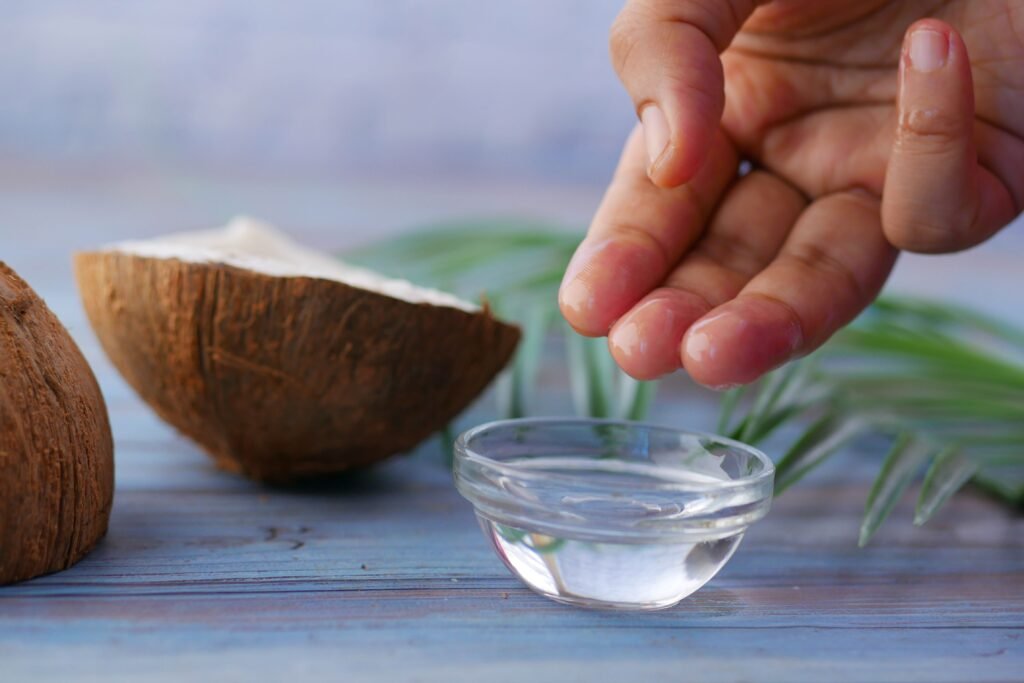
- Coconut oil massage, one of the best dry skin in winter home remedies. Warm a spoon of coconut oil in your palms and massage it into damp skin after your bath. It locks in moisture and suits most skin types. Use it on your body, not your face, if your skin is oily or acne-prone.
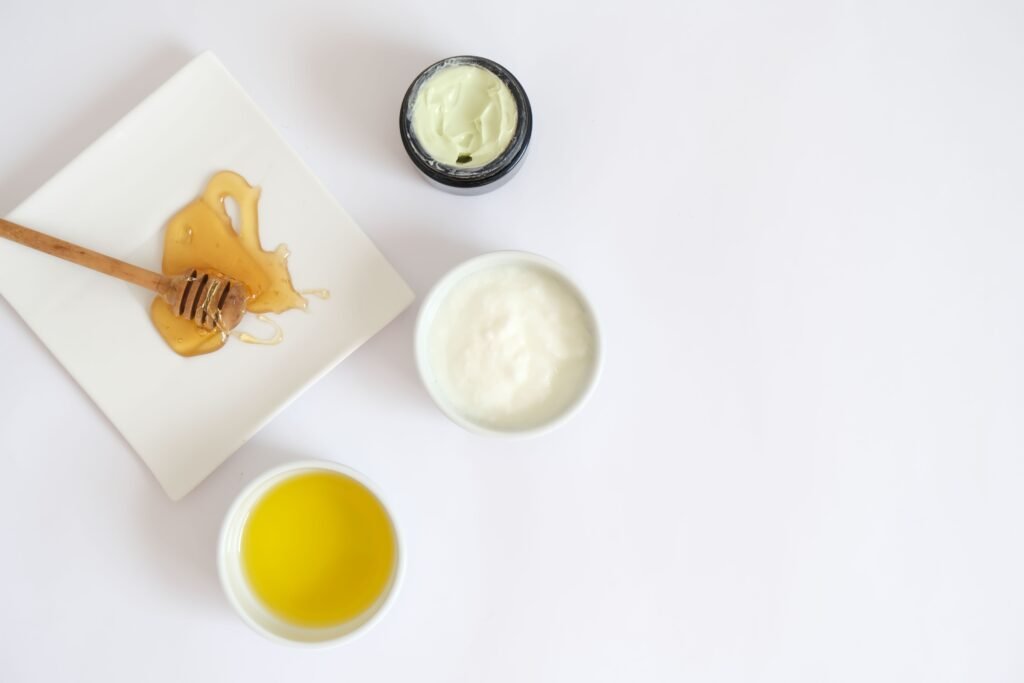
- Malai and honey pack. Mix a spoon of fresh malai with half a spoon of honey, apply to face and hands for 15 minutes, then wash off with lukewarm water. Malai softens rough skin, and honey draws in moisture.
- Almond oil. A few drops of badam oil, massaged in at night, work well for dry cheeks and chapped hands. It is light, soaks in fast, and does not feel greasy for long.
- Sesame (til) oil. Warm til oil slightly and massage it into arms and legs before a bath, especially elbows and knees. It is warming and stays on the skin longer than lighter oils.
- Besan and rose water. Mix two spoons of besan with rose water into a smooth paste, apply to your face, and wash off before it dries fully. Use it two or three times a week instead of face wash on very dry days.
- Aloe vera and glycerin. Mix fresh aloe vera gel with a few drops of glycerin and apply to dry patches. Aloe cools itching, and glycerin pulls moisture into the skin. Read more in our guide on aloe vera benefits for skin and hair.
- Curd (dahi) pack. Apply plain curd in a thin layer on dry areas for 10 minutes and rinse with lukewarm water. It suits sensitive skin and calms mild winter itching. Use fresh curd, not sour curd, on your face.
- Ghee. Warm a pea-sized amount of desi ghee between your palms and rub it into very dry hands, feet or lips at night. A little goes a long way.
- Oats for itching. Grind plain oats into a fine powder, mix with warm water or milk, and apply to itchy patches for 10 minutes. Oats calm itching and suit children and older people too.
- Banana pack. Mash a ripe banana with a spoon of honey and apply to dry cheeks or hands for 15 minutes. Banana is soft, full of moisture, and rarely irritates skin.
- Honey as a spot treatment. Dab raw honey on the driest patches — knuckles, elbows, lips — and leave it for 10 minutes before rinsing. Rinse it off fully before stepping out; sticky skin picks up dust fast.
- Milk and honey soak. Soak dry hands or feet in lukewarm milk with a spoon of honey for 10 minutes, then pat dry and apply oil or cream at once. Do this two or three times a week in peak winter.
A Simple Winter Skin Routine for Dry Skin
You do not need ten steps. A short routine, done daily, beats a long one done once a week.
Morning: Wash your face with lukewarm water, not hot. Pat your skin till it is damp, not fully dry, then apply moisturiser or a few drops of oil. That “moisturise on damp skin” rule is the most useful winter habit — cream on damp skin seals the water in. If you step out in the sun, use sunscreen; winter sun still tans and dries Indian skin. Our guide on sunscreen for Indian skin explains how to pick SPF and avoid white cast.
Night: Clean your face gently, apply oil or a thick cream, and pay attention to hands and feet. Keep a small bottle of oil or cream by your bed — you are far more likely to use it if it is within reach. In very cold weeks, a thin layer of Vaseline on cracked lips and knuckles before bed works well.
Bathing: Keep showers short and lukewarm. Use soap only where you need it — underarms, feet, and private areas — and let plain water do the rest. After your bath, moisturise within three minutes, while your skin is still damp.
What to Avoid When Your Skin Is Dry
Very hot showers are the biggest problem. Harsh soaps and strong face washes strip oils — switch to a mild, soap-free cleanser in winter. Scrubbing dry skin hard with a brush or a rough towel causes tiny tears and more itching, so be gentle. Avoid perfumes and strong aftershaves on dry, cracked skin; they sting and irritate. And drink enough water — you feel less thirsty in the cold, but dehydration makes dryness worse.
When Dry Skin Needs a Doctor
Most winter dryness settles with dry skin in winter home remedies — oil, cream and a few habit changes. See a dermatologist if itching keeps you awake at night, skin cracks and bleeds, red scaly patches appear on elbows, knees or face, or nothing helps after three weeks of steady care. These can be signs of eczema or another skin condition that needs proper treatment, not another home pack. If your skin barrier is damaged — stinging from normal products, constant redness, or flaking that will not stop — read our article on skin barrier repair to understand what is happening. For the basics of dry skin care, the American Academy of Dermatology explains what helps and what to skip: https://www.aad.org/public/everyday-care/skin-care-basics/dry
These dry skin in winter home remedies are for mild winter dryness — if your skin is cracked, bleeding or infected, skip the home packs and see a dermatologist first.
Frequently Asked Questions
How do I fix dry skin in winter fast?
The fastest fix is the damp-skin rule: after a lukewarm bath, pat your skin till damp and apply oil or a thick cream within three minutes. Most people feel relief the same day, and visible improvement in three to four days of doing it twice daily.
Which oil is best for dry skin in winter home remedies?
Coconut oil suits most people and is easy to find. Almond oil is lighter and better for the face. Sesame oil is warming and good for a pre-bath body massage. Pick the one your skin likes — if an oil causes pimples or itching, stop and try another.
Is dry skin in winter a sign of a vitamin deficiency?
Usually it is just the weather, hot showers and low humidity. Rarely, dryness with hair fall or constant tiredness can point to low vitamin D or thyroid issues. If dry skin comes with other symptoms that will not go away, ask your doctor about a blood test rather than guessing.
Can I use besan on dry skin every day?
It is better two or three times a week. Daily besan can dry the skin further, especially if you let the pack dry fully before washing it off. Always rinse while it is still slightly damp and apply oil or cream right after.
Winter dryness is common, and it is also very fixable. Start with oil on damp skin, keep your showers lukewarm, and give these dry skin in winter home remedies a week of steady use before judging them. Most skin settles down with that alone. And if it does not — if the itching, cracking or redness keeps going — that is the point to stop experimenting and see a dermatologist.
Disclaimer: This article is for general information only and is not medical advice. Home remedies suit mild winter dryness. If your skin condition is severe, painful, infected, or does not improve, consult a dermatologist or your doctor for personal advice.