
If you feel tired all the time, keep waking up to pass urine, or feel thirsty no matter how much water you drink, it is easy to blame heat, work stress or poor sleep. In India, those are common excuses — and they are also early signs of diabetes in India that many people miss for months. Type 2 diabetes often builds up slowly, with mild symptoms that are easy to brush off.
This guide covers the 10 early signs, who is most at risk, which tests to ask for, and what to do next. It is not a diagnosis — only a blood test can confirm diabetes — but knowing the signs can help you get checked early.
Early Signs of Diabetes in India: The 10 Symptoms
1. Feeling thirsty all the time
You drink glass after glass and still feel thirsty. High sugar pulls water out of your tissues, so your body asks for more fluid. If this thirst is new and lasts for weeks, note it down. Thirst alone does not prove diabetes, but thirst plus other signs here is worth a check.
2. Passing urine often, especially at night
Needing to pass urine more often, and waking up once or twice at night, is a classic early sign. Your kidneys work harder to flush out extra sugar. If you used to sleep through the night and now wake up most nights, pay attention — especially if you are also thirsty.
3. Feeling tired for no clear reason
You sleep 7–8 hours and still feel drained by midday. High sugar means glucose is not getting into your cells properly, so your body cannot use it for energy well. Tiredness has many causes — low iron, poor sleep, thyroid problems — so it is not diabetes on its own. But tiredness that does not lift after a week of good sleep is worth mentioning to your doctor. Low iron is common in India too, and the site’s guide on Iron Deficiency in Indian Women explains its signs and food sources.
4. Hunger that does not go away
You eat a full meal and feel hungry again within an hour or two. When insulin does not work well, glucose stays in the blood instead of feeding your cells, and your body keeps asking for food. If you are eating more than usual and still feel hungry, that pattern is worth a check.
5. Losing weight without trying
Losing 4–5 kg over a few months without dieting or extra exercise can be a warning sign. When the body cannot use glucose for energy, it starts breaking down fat and
muscle instead. Unexplained weight loss, especially with thirst and frequent urination, should be checked promptly.

6. Blurry vision
Sugar levels that swing up and down can change the shape of the lens in your eye, making vision blurry for a few days at a time. Many people first notice it when reading or using a phone. Blurry vision that comes and goes is worth an eye check and a sugar test. Do not wait — eye problems from diabetes are far easier to prevent than to fix later.
7. Cuts and sores that heal slowly
A small cut on your foot or a blister that takes weeks to heal — slow healing is a common early sign. High sugar affects blood flow and repair. Check your feet every day, wear clean socks and comfortable shoes, and see a doctor if a sore does not heal in a week or two.
8. Tingling or numbness in hands and feet
A tingling, burning or “pins and needles” feeling in your feet can be an early sign of nerve damage from high sugar. It often starts in the feet and is worse at night. If it keeps coming back, get your sugar checked along with your vitamin levels.
9. Skin darkening and frequent infections
Dark, velvety patches on the neck, armpits or groin — called acanthosis nigricans — are common in India and often linked to insulin resistance, the step before type 2 diabetes. Frequent skin, fungal or urinary infections that keep returning are also worth noting.
10. Dry mouth, gum problems and slow healing after dental work
A dry mouth, bleeding gums, or gum infections that do not settle can also be linked to high sugar. If your dentist mentions gum disease that is hard to control, ask your doctor about a sugar test too.
If you recognise two or three of these signs together, don’t wait — a blood test can settle it in a day.
Who Is Most at Risk of Early Signs of Diabetes in India?
Diabetes is common in India — over 100 million adults live with it, and many more have prediabetes. Your risk is higher if:
- A parent, brother or sister has diabetes.
- You are over 35.
- You carry extra weight around the waist — over 90 cm for men, over 80 cm for women.
- You sit most of the day.
- You eat a lot of white rice, maida, sweets and sugary drinks.
- You had diabetes in pregnancy.
- You have high blood pressure or PCOS.
- You have prediabetes.
South Asian bodies tend to develop diabetes at a lower weight than Western bodies, so even a “normal” weight does not rule it out. If you have a family history, get checked even if you feel fine.
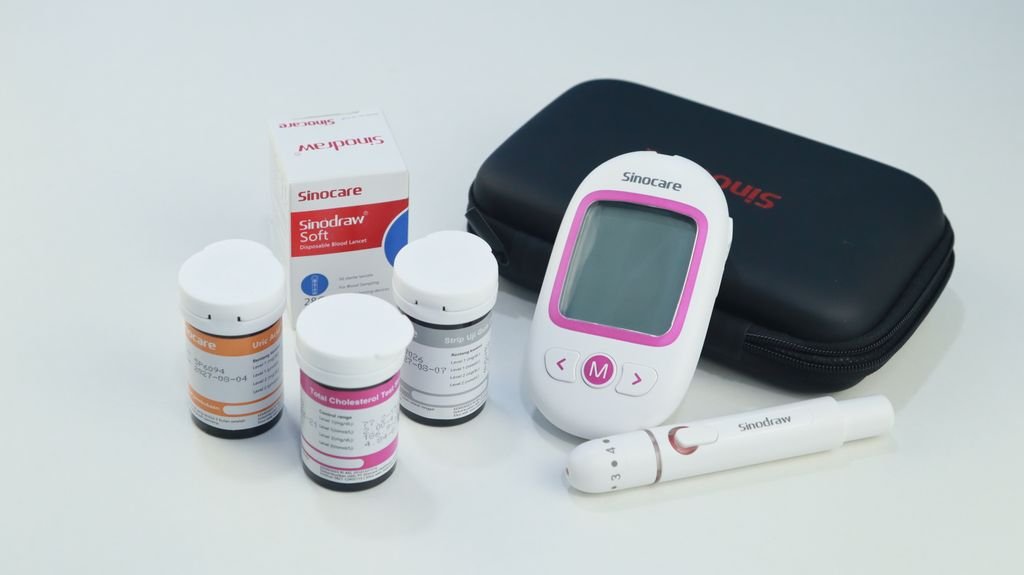
Early Signs of Diabetes in India: Which Tests to Ask For
A doctor or a lab can do these tests:
- Fasting blood sugar: After 8–10 hours without food. Below 100 mg/dL is normal, 100–125 is prediabetes, and 126 or above points to diabetes.
- HbA1c: Your average sugar over 2–3 months. Below 5.7% is normal, 5.7–6.4% is prediabetes, and 6.5% or above points to diabetes.
- Random blood sugar: At any time of day. A reading of 200 mg/dL or above, with symptoms, points to diabetes.
- Oral glucose tolerance test: You drink a sweet solution and blood is tested after two hours. It is often used in pregnancy.
Your doctor will pick the right test and may repeat it to confirm. Don’t diagnose yourself from a single home glucometer reading — use the lab result and your doctor’s advice.
What to Do If You Spot Early Signs of Diabetes in India
First, book a sugar test. Many labs in India offer fasting sugar and HbA1c for ₹200–₹600, and results often come the same day.
Second, look at your food. Start with simple changes: half your plate vegetables, 1–2 rotis per meal, dal every day, less sugar in chai, and no sweet drinks. The site’s Diabetes Diet Chart for Indian Vegetarians gives a full 7-day plan, so you can start the same week you get your result.
Third, move more. A 30-minute brisk walk a day, five days a week, is a good target. Walking after meals helps even more.
Fourth, check your sleep and stress. Poor sleep and constant stress both push sugar up. Aim for 7–8 hours of sleep.
Fifth, if your doctor suggests medicine, take it as prescribed and go for follow-up tests. Medicine is not a failure — it protects your eyes, kidneys, heart and feet while food and exercise do their work.
Some people also ask about home remedies like methi seeds once they spot early signs. The site’s guide on Methi Seeds for Diabetes explains how to use it, the usual amounts, and who should be careful with it — but it is not a replacement for a test or for treatment your doctor advises.
Early Signs of Diabetes in India in Children, Pregnancy and Older Adults
In children and teenagers, type 1 diabetes can come on fast — extreme thirst, frequent urination, weight loss and tiredness over a few weeks. That needs urgent medical care, not a wait-and-see approach.
In pregnancy, gestational diabetes often has no symptoms at all, which is why sugar screening between 24 and 28 weeks is routine.
In older adults, symptoms can be milder or blamed on age. If an older parent is drinking more water, passing urine at night, or losing weight without trying, help them get tested.
When to See a Doctor Urgently for Early Signs of Diabetes in India
Get medical help the same day if you have very high sugar with vomiting, stomach pain, rapid breathing, confusion, or extreme drowsiness. These can be signs of a diabetes emergency.
Also see a doctor soon if you have two or more signs from the list above, if a home reading is repeatedly above 200 mg/dL, or if a foot sore is red, swollen or not healing.
For a clear overview of diabetes, MedlinePlus has a reliable summary.
Frequently Asked Questions
What are the early signs of diabetes in India that most people miss?
Thirst, passing urine at night, tiredness, blurry vision and slow-healing cuts are the most missed. They build up slowly and are often blamed on heat, stress or age. Two or three together, lasting for weeks, are worth a blood test.
Can you have early signs of diabetes in India without any symptoms?
Yes. Many people in India have type 2 diabetes or prediabetes with no symptoms at all. If you are over 35 or have a family history, get your sugar checked even if you feel fine.
What is the first test for early signs of diabetes in India?
A fasting blood sugar test or an HbA1c test is usually first. Fasting sugar below 100 mg/dL is normal, 100–125 is prediabetes, and 126 or above points to diabetes. HbA1c below 5.7% is normal, 5.7–6.4% is prediabetes, and 6.5% or above points to diabetes.
Is frequent urination at night one of the early signs of diabetes in India?
No. It can also come from drinking a lot of water late in the evening, caffeine, or a urinary infection. But if it is new, happens most nights, and comes with thirst or tiredness, a sugar test is a sensible next step.
Can early signs of diabetes in India be reversed?
Prediabetes and early type 2 diabetes can often be improved a lot with food changes, weight loss and daily activity, and some people bring their sugar back to the normal range. That takes steady habits, not a short diet. Ask your doctor what is realistic for you.
Disclaimer: This article is for general information only and is not medical advice. Please consult a doctor for personal advice.