
The first twelve weeks after delivery are a recovery period, not a race back to normal. A realistic postpartum recovery diet exercise plan starts with healing, not weight loss. Your body has just done enormous work. Now it needs protein to repair tissue, iron to rebuild blood, fluids to support breastfeeding, sleep in whatever pieces you can grab, and movement gentle enough to help rather than strain. This guide walks through those first twelve weeks in practical terms — for Indian homes, Indian food, and real life with a newborn.
Recovery looks different for everyone. A vaginal delivery and a caesarean section heal on different timelines, and things like anaemia, high blood pressure, diabetes, or a difficult birth change what’s safe. Whatever your birth story, the principles stay the same: eat well, rest when you can, move a little more each week, and ask for help early — especially if your mood feels off.
Postpartum Recovery Diet Exercise: Eating to Heal in the First 12 Weeks
Food is the foundation of postpartum recovery. Healing tissue, making breast milk, and coping with broken sleep all raise your energy needs, so eating too little slows recovery down instead of speeding it up. Get enough food first, then worry about its quality.
Protein matters most in the early weeks. It helps repair tissue after delivery and supports milk production. Aim to include a protein food at every meal: dal, rajma, chole, moong, paneer, curd, eggs, fish, or chicken, depending on what your family eats. A simple target is a bowl of dal at lunch and another protein at dinner, plus curd or buttermilk during the day.
Vegetarian mothers can combine dal with rice or roti, and add paneer, soya, peanuts, and milk to reach a comfortable amount without counting grams.
Iron is the second priority, because blood loss during delivery and low iron before birth leave many new mothers anaemic. Iron-rich Indian foods include palak and methi, rajma and chole, sesame seeds, ragi, and eggs. Pair them with vitamin C — lemon on your sabzi, amla, guava, or orange — because vitamin C helps the body absorb iron from plant foods.
Avoid drinking strong tea with meals, as it can reduce iron absorption; keep chai for between meals instead. If your doctor prescribed iron tablets after delivery, keep taking them as advised and mention constipation or stomach upset rather than stopping on your own.
Calcium and hydration support breastfeeding and bone health. Milk, curd, ragi, sesame seeds, and leafy greens are good everyday sources. Drink water regularly through the day and keep a bottle beside you while feeding. Thirst is a useful guide — you don’t need to force litres of water, but don’t ignore thirst either.
Traditional postpartum foods such as gond laddoo, ajwain water, and methi preparations are part of many Indian households. They can be comforting and enjoyable, but they are not a substitute for balanced meals, and very sugary or ghee-heavy foods in large amounts can cause discomfort. If you have diabetes, high blood pressure, or thyroid problems, check traditional recipes with your doctor.
A Simple Indian Postpartum Meal Plan
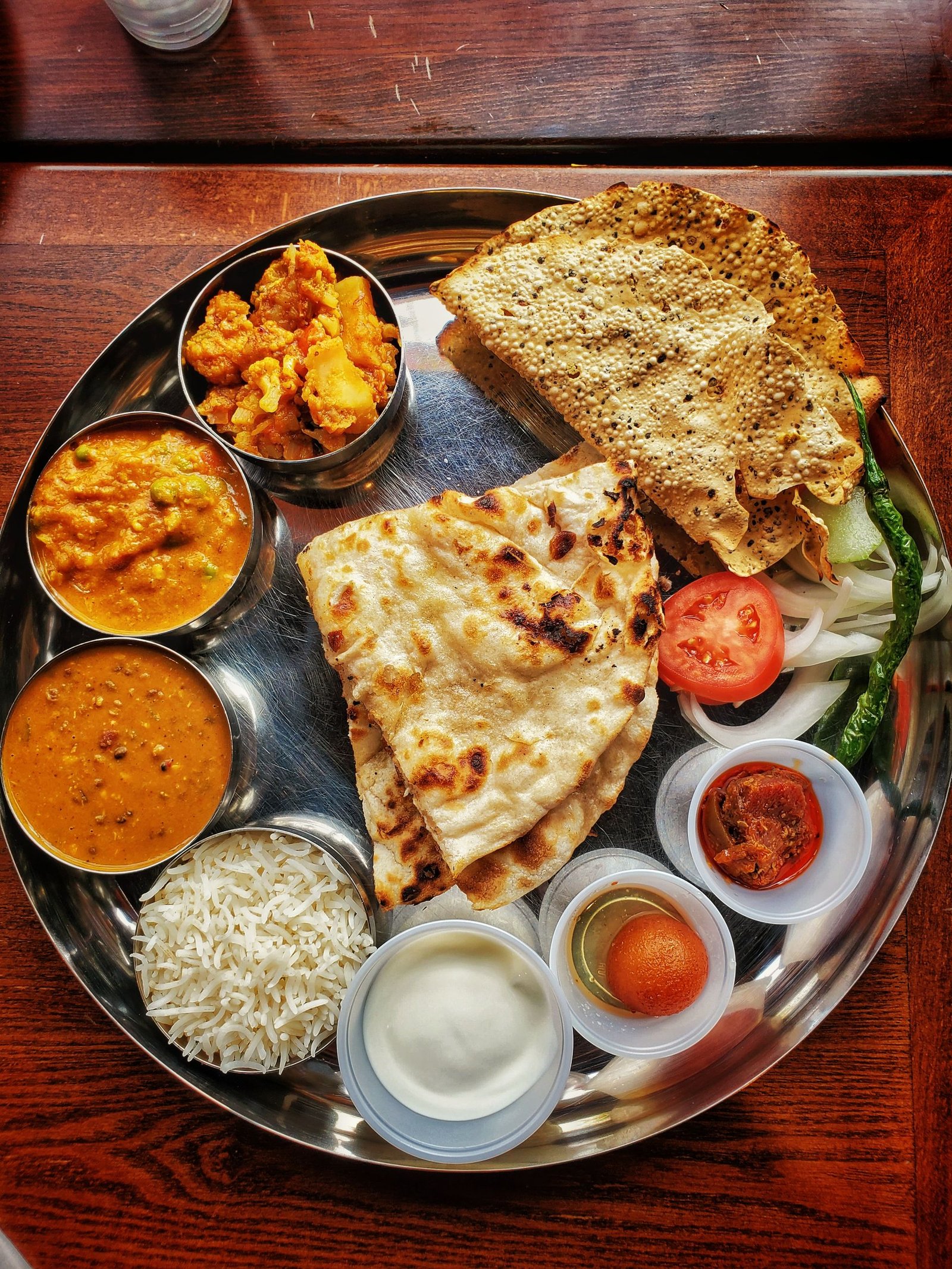
You do not need a special diet, just a regular pattern that is easy to follow when you are tired. Here is one day that works for many new mothers:
- Breakfast: Vegetable poha or ragi porridge with milk, plus a boiled egg or a bowl of curd.
- Mid-morning: Fruit such as banana, guava, or papaya, with a handful of soaked almonds or roasted chana.
- Lunch: Two rotis, a bowl of dal, a bowl of palak or mixed vegetable sabzi, salad, and curd.
- Evening: A glass of milk or buttermilk with a small snack such as besan chilla or sprouts chaat.
- Dinner: Moong dal khichdi with vegetables, or rice with rajma and a vegetable, plus curd.
Keep snacks ready in advance — roasted chana, fruit, curd, or leftover rotis with peanut chutney — because hunger often arrives suddenly between feeds. If family members offer to cook, accept. Saying yes to help is part of recovery, not a failure.
Sleep in Shifts: Resting When a Newborn Wakes All Night
Newborns wake every two to three hours, so unbroken sleep just isn’t realistic in the first weeks. The goal is to protect as much sleep as you can, in shifts. If you have a partner or family member, agree on a split: one person handles the first part of the night, the other takes the early morning, so each of you gets one longer stretch. If you’re breastfeeding, your partner can handle nappy changes, burping, and soothing while you feed, so you get back to sleep faster.
Nap when the baby naps, at least once a day, instead of using every nap to catch up on housework. Lower the standard for the house for a few weeks. Meals can be simple, laundry can wait, and visitors can be asked to come briefly or to bring food. A dark, cool room and a phone kept away from the bed help you fall back asleep after night feeds. Try not to scroll through your phone during night feeds if you can — the light and the noise make it harder to drift off again.
Sleep loss affects mood, appetite, and patience, so it’s not a small thing. If you feel constantly exhausted even after rest, or you’re struggling to fall asleep when the baby sleeps, mention it to your doctor. Thyroid problems and anaemia after delivery can both make tiredness worse, and both are treatable.
Gentle Exercise After Delivery: Walking and Pelvic-Floor Progressions
Movement helps recovery, but the pace matters. In the first days, gentle walking around the house and deep breathing are enough. Short, slow walks — five to ten minutes, once or twice a day — are a good start in the first two weeks, building gradually to twenty to thirty minutes by six weeks if you feel comfortable. Walking also helps digestion, mood, and sleep, and it gets you out of the house.
Pelvic-floor exercises, often called Kegels, support the muscles that hold up the bladder and uterus, which are stretched by pregnancy and birth. They are safe for most women to start gently in the first days after a vaginal delivery, once you feel ready, and after a caesarean once your doctor agrees. The basic move is simple: tighten the muscles you would use to stop passing urine, hold for three to five seconds while breathing normally, then relax fully. Repeat five to ten times, two or three times a day.
Build up slowly over weeks; do not hold your breath or squeeze your stomach instead. If you notice leaking when you cough or sneeze, heaviness, or pain, tell your doctor — a physiotherapist can help, and this is common and treatable.
After your six-week check-up, and only with your doctor’s clearance, you can add gentle strengthening: bridges, clamshells, heel slides, and supported squats, two or three times a week.
Avoid heavy lifting, crunches, sit-ups, and high-impact exercise such as running or jumping until you have been cleared, and stop any exercise that causes pain, bleeding, or a feeling of heaviness. For caesarean recovery, wait for your doctor’s advice on lifting and abdominal exercises, and support your scar with a pillow when you cough or laugh in the early weeks.
Mood Red Flags: When to Seek Help Early
Feeling tearful, overwhelmed, or anxious in the first two weeks is common and often called the “baby blues”. It usually eases as sleep and support improve. Postpartum depression is different: it lasts longer, feels heavier, and makes daily life hard. Seek help early if you notice any of these for more than two weeks:
- Feeling sad, empty, or numb most of the day, nearly every day.
- Losing interest in things you used to enjoy, or struggling to bond with your baby.
- Constant worry, panic, or intrusive thoughts about something bad happening.
- Trouble sleeping even when the baby sleeps, or sleeping far too much.
- Feeling worthless, guilty, or like a bad mother, or having thoughts of harming yourself.
These feelings are not a sign of weakness, and they are not your fault. Postpartum depression is a medical condition, and it is treatable.
Tell your doctor, your partner, or a trusted family member as soon as you notice them — the earlier you speak up, the sooner you can feel better. In India, your gynaecologist, a psychiatrist, or your family doctor can help, and many hospitals now screen for mood problems at postnatal visits.
If you ever feel you might act on thoughts of harming yourself or your baby, seek urgent medical help the same day and do not stay alone.

The First 12 Weeks, Week by Week
- Weeks 1–2: Rest, eat well, short walks around the house, gentle pelvic-floor exercises, accept all help offered.
- Weeks 3–4: Daily walks of ten to fifteen minutes, regular meals and iron-rich foods, a sleep-shift routine with your partner or family.
- Weeks 5–6: Longer walks, pelvic-floor work most days, and your six-week postnatal check-up — bring a list of questions about mood, bleeding, pain, or breastfeeding.
- Weeks 7–9: With clearance, add gentle strengthening twice a week and build walking to thirty minutes.
- Weeks 10–12: A steadier routine, more energy for most women, and a good time to discuss contraception, return to work, and longer-term fitness with your doctor.
Recovery is not linear. Some weeks feel easier, then a growth spurt or an illness sets you back. That is normal. The aim of these twelve weeks is not to look like your old self, but to heal well, feed your baby, and feel like yourself again — one small step at a time.
Frequently Asked Questions
When can I start exercising after delivery?
Gentle walking and pelvic-floor exercises can usually begin in the first days to weeks, but check with your doctor first, especially after a caesarean or a complicated delivery. Wait for your six-week check-up before starting strengthening, running, or heavy exercise.
What should I eat while breastfeeding?
Eat regular, balanced meals with protein at each meal, iron-rich foods with vitamin C, calcium from milk or curd, and plenty of fluids. You do not need a special diet, but you do need enough food — skipping meals will leave you tired and can affect your milk supply.
How do I know if my low mood is postpartum depression?
If sadness, anxiety, or numbness lasts more than two weeks, interferes with daily life, or includes thoughts of harming yourself, seek medical help promptly. Baby blues ease within two weeks; postpartum depression needs treatment, and treatment works.
Disclaimer: This article is for general information only and is not medical advice. Recovery after delivery varies from person to person. See a doctor for diagnosis or before starting a supplement, a new diet, or an exercise programme, especially after a caesarean section or if you have anaemia, thyroid problems, diabetes, high blood pressure, or concerns about your mood.