
The first three months of pregnancy can feel like a strange mix of excitement and exhaustion. You may feel hungry one minute and nauseous the next, and every relative suddenly has a different opinion about what you should eat. A clear pregnancy diet chart first trimester Indian plan helps cut through that noise. This guide gives you practical, Indian food-based advice — what to eat, what to avoid, a sample day menu, and how to cope when morning sickness makes even the smell of food unbearable.
Why the Pregnancy Diet Chart First Trimester Indian Matters So Much
The first trimester — weeks 1 to 13 — is when the baby’s brain, spine, and major organs start forming. That is why folate matters so much in these early weeks. The NIH folate fact sheet explains that pregnant women need 600 mcg of dietary folate equivalents a day, and that taking folic acid before and during early pregnancy helps prevent neural tube defects. Most doctors in India prescribe a folic acid supplement from the time you plan a pregnancy, and food adds to that protection.
You do not need to eat for two in the first trimester — most women need only about the same amount as before. What matters more is the quality of what you eat, and managing to keep food down when nausea hits.
Pregnancy Diet Chart First Trimester Indian: The Foods to Prioritise
Think in terms of food groups, not single “superfoods”. A good first-trimester plate has a little from each group.
Folate-rich foods
Folate helps the baby’s neural tube develop in the first few weeks, often before you even know you are pregnant. Good Indian sources include palak and methi, chana dal and rajma, oranges, peanuts, and fortified cereals. Eat a green vegetable or dal at least twice a day.
Iron-rich foods
Iron needs rise in pregnancy because your blood volume increases, and low iron can leave you tired and dizzy. Good sources include palak, methi, and other leafy greens, ragi, bajra, rajma, chana, and soya. Pair iron-rich foods with vitamin C — a squeeze of lemon on dal, or an orange after lunch — because vitamin C helps your body absorb iron from plant foods. Avoid tea or coffee with meals, since they can reduce iron absorption. Our guide on Iron Deficiency in Indian Women: Symptoms, Foods and When Supplements Are Needed explains the symptoms of low iron and which foods help most.
Protein at every meal
Protein supports the baby’s growth and keeps you full for longer. Aim for a protein source at each meal — dal, paneer, curd, milk, eggs, soya, or chana. One katori of dal, one bowl of curd, or one egg at each main meal covers most of your needs.
Calcium for bones
Milk, curd, paneer, and ragi are the easiest calcium sources in an Indian diet. Two glasses of milk or two bowls of curd a day is a good target. If milk makes your nausea worse, try curd, buttermilk, or paneer instead.
Whole grains and fibre
Constipation is common in the first trimester, and fibre helps. Choose whole wheat roti, brown rice, oats, dalia, and millets like ragi and jowar over refined maida products.
Healthy fats
A spoon of ghee on roti or a handful of soaked almonds and walnuts supports the baby’s brain development and keeps you satisfied. A small handful of nuts a day is enough.

Pregnancy Diet Chart First Trimester Indian: A Sample Day Menu
Swap foods based on what you like and what your stomach can handle that day.
| Meal | What to eat |
|---|---|
| Breakfast (8:30 am) | Vegetable poha with peanuts, or 2 moong dal chillas with curd; a glass of milk |
| Mid-morning (11 am) | A fruit — orange, guava, or apple — with a small bowl of curd |
| Lunch (1:30 pm) | 2 rotis, 1 katori dal, 1 katori sabzi (palak paneer or mixed veg), 1 katori rice, salad with lemon, 1 bowl curd |
| Evening snack (4:30 pm) | Roasted chana and makhana, or a vegetable sandwich on whole wheat bread; a cup of buttermilk |
| Dinner (8 pm) | 1–2 rotis or a bowl of khichdi, 1 katori dal, 1 katori sabzi, salad; a small bowl of curd |
| Before bed | A glass of warm milk with a pinch of haldi, if it suits you |
If you are vegetarian, make sure dal, paneer, soya, and curd appear every day. If you eat eggs, one a day adds good protein and choline. If you eat fish, choose well-cooked, low-mercury fish like rohu once or twice a week.
Pregnancy Diet Chart First Trimester Indian: Coping With Morning Sickness
Nausea affects most women in the first trimester, and it does not only happen in the morning. A few tricks help:
- Eat small meals every 2–3 hours instead of three big meals. An empty stomach makes nausea worse.
- Keep dry snacks by your bed — a few crackers, a dry toast, or roasted chana — and eat a little before getting up.
- Ginger helps many women. Try ginger tea, ginger biscuits, or a small piece of fresh ginger in warm water.
- Sip water through the day. Dehydration makes nausea worse. If plain water is hard, try nimbu pani, coconut water, or buttermilk.
- Avoid strong smells, very spicy food, and heavy fried food on bad days. You can return to normal food when the nausea eases, usually after week 12–14.
If you cannot keep any food or water down for more than a day, or you are losing weight or feel dizzy and very weak, see your doctor promptly. Severe vomiting in pregnancy needs medical care, not just home tips.
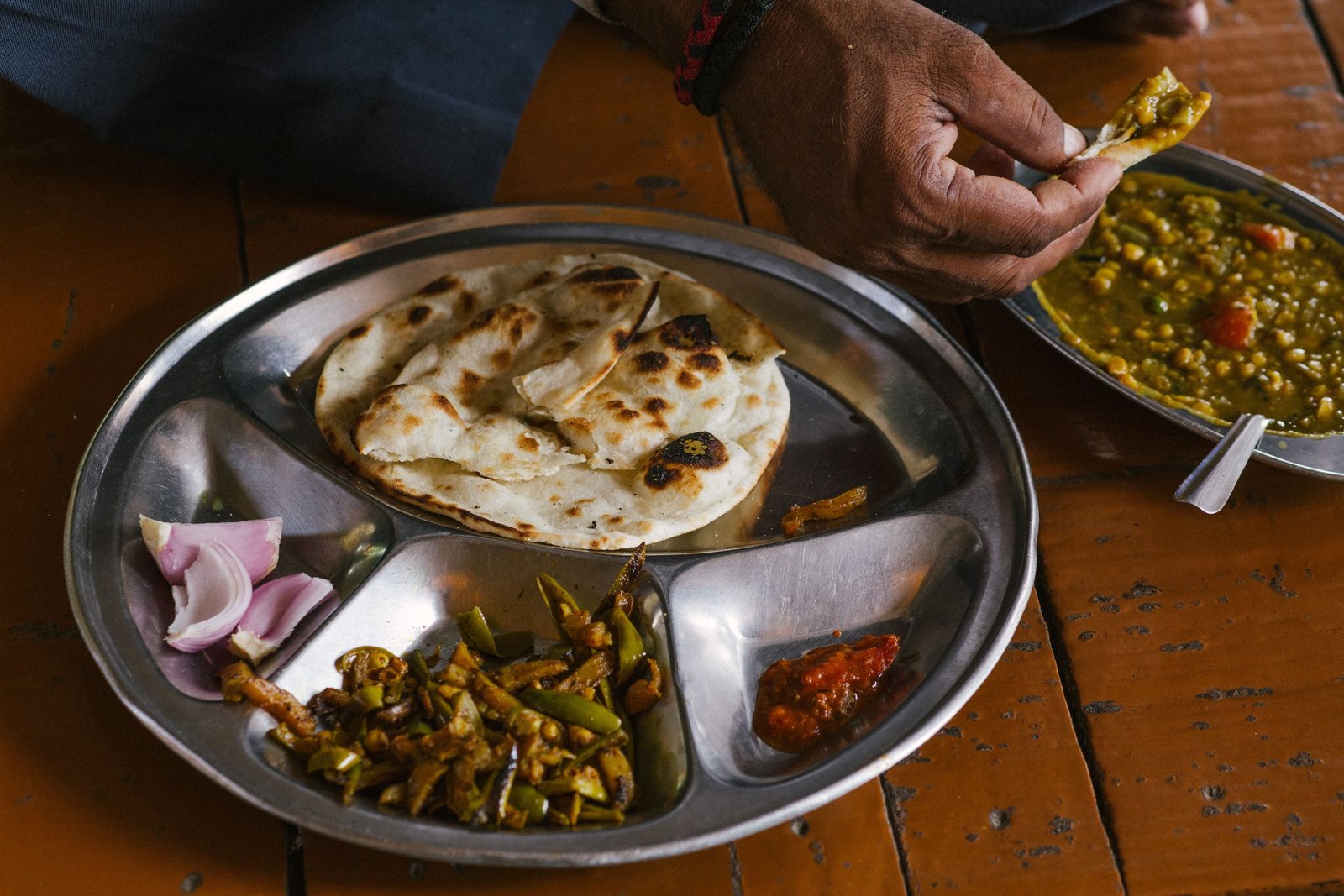
Pregnancy Diet Chart First Trimester Indian: Foods to Avoid
Some foods carry a higher risk of infection or are best limited in early pregnancy:
- Raw or undercooked meat, fish, and eggs: Avoid raw sprouts that have not been cooked, undercooked eggs in mayonnaise or desserts, and any meat that is pink in the middle.
- Unpasteurised milk and soft cheese: Use pasteurised milk and curd. Most Indian paneer and curd made at home from pasteurised milk are fine.
- High-mercury fish: Avoid shark, swordfish, and king mackerel. Limit tuna.
- Alcohol: Avoid completely in pregnancy. There is no known safe amount.
- Too much caffeine: keep tea and coffee to 1–2 cups a day.
- Street food with doubtful hygiene: Chaat and golgappa from a stall with poor hygiene can cause stomach infections. Make them at home with clean water instead.
- Very high doses of vitamin A: Do not take vitamin A supplements unless your doctor prescribes them. Normal food sources are fine.
Ripe papaya in small amounts is generally considered fine, but unripe papaya is traditionally avoided in pregnancy — ask your doctor if you are unsure.
Pregnancy Diet Chart First Trimester Indian: Supplements Most Doctors Recommend
Food comes first, but supplements fill the gaps in early pregnancy:
- Folic acid: usually started before conception and continued through the first trimester.
- Iron: often started later, or earlier if your haemoglobin is low.
- Vitamin D, calcium, and B12: your doctor may advise these based on your blood tests — B12 matters most for vegetarian women.
Take supplements exactly as your doctor advises, and tell your doctor about any herbal powders, kadhas, or ayurvedic mixtures you are taking. Some herbs are not safe in pregnancy, and your doctor needs the full picture. Once your baby arrives, your food needs shift again toward breastfeeding. Our guide on How to Increase Breast Milk Naturally: Indian Foods, Drinks & Tips (a Round 2 article) covers the foods and drinks that support milk supply. And when your little one starts solids, Immunity Booster Foods for Kids (a Round 2 article) has practical Indian food ideas for the toddler years.
Pregnancy Diet Chart First Trimester Indian: When to Call Your Doctor
See your doctor promptly if you notice:
Call your doctor promptly for bleeding or severe stomach pain, vomiting so often you cannot keep water down, high fever or burning while passing urine, severe headache or vision changes, or very low energy and dizziness that does not ease. Do not wait for your next routine appointment — early care makes a real difference.
Pregnancy Diet Chart First Trimester Indian: Frequently Asked Questions
What should I eat on a pregnancy diet chart first trimester Indian plan?
A good pregnancy diet chart first trimester Indian plan includes dal, leafy greens like palak, curd, milk, paneer, whole grains, eggs if you eat them, and fruit every day. Add folate-rich foods, iron-rich foods with vitamin C, and plenty of water. Keep meals small and frequent if nausea is a problem.
Can I eat mangoes and other fruits in the first trimester?
Yes, fruit is a healthy part of a first-trimester diet. Mangoes, oranges, bananas, guava, and apples are all good choices. Wash fruit well and keep portions moderate — one or two servings per meal is enough.
Is it safe to drink tea or coffee in the first trimester?
One to two cups a day is generally considered fine, but keep the total caffeine low. Avoid very strong coffee and energy drinks. Herbal teas are not all safe in pregnancy, so check with your doctor before drinking herbal blends regularly.
This article is for general information only and is not a substitute for medical advice. Please consult a qualified doctor for personal advice.