

Rose water has been a part of Indian beauty routines for centuries. Our grandmothers splashed it on their faces after washing, mixed it into face packs, and kept a bottle in the fridge for hot summer afternoons. It smells beautiful, feels cool on the skin, and costs very little — yet most of us have never stopped to ask what it actually does.
This guide explains what rose water is, what is inside it, 10 rose water benefits for skin, how to use it every day, how to make it at home, and who should be careful with it.
What Is Rose Water?
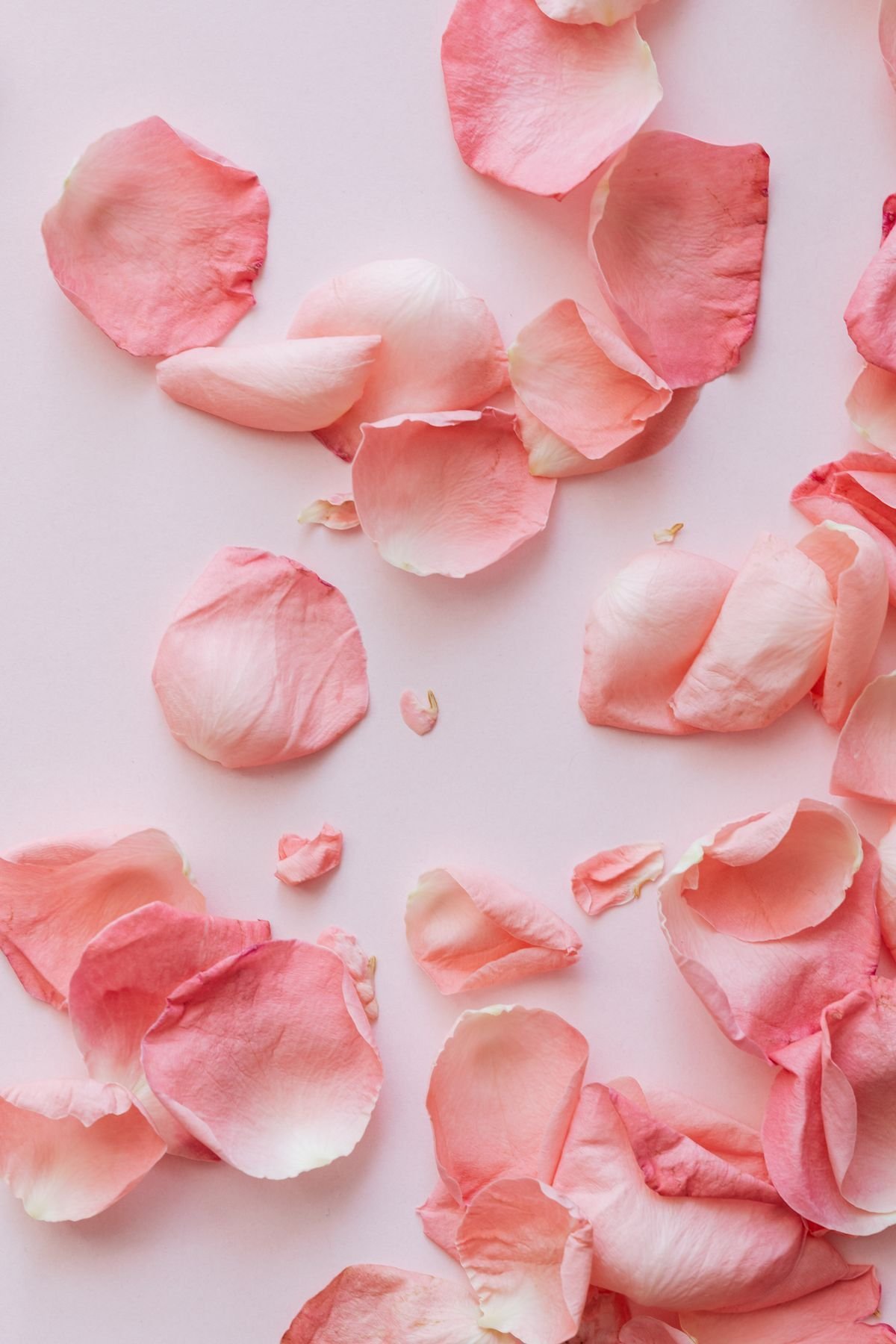
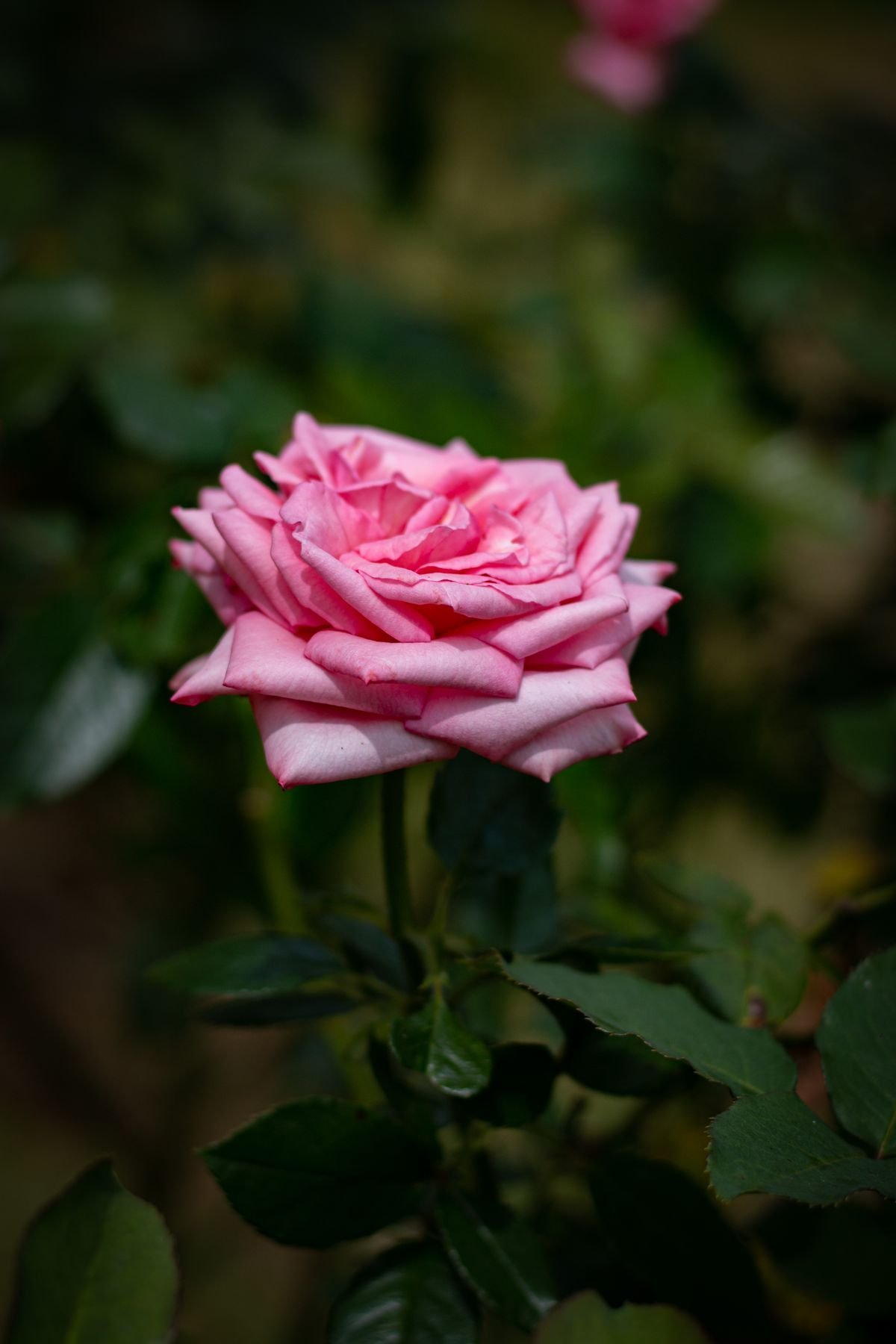
Rose water is a liquid made by distilling fresh rose petals — usually Damask roses (Rosa damascena) — with steam. The steam carries the rose’s fragrant oils and water-soluble compounds, which condense into a clear, lightly scented liquid. Good rose water contains only rose distillate and water; cheap versions are often just water, fragrance and colour, with no real rose in them.
In India, rose water is called gulab jal, and it has been used in Ayurveda and Unani medicine for hundreds of years — for the skin, eyes, digestion and mood. It is also a food flavouring: a few drops go into sweets like gulab jamun, rasgulla and kheer, and into drinks like Rooh Afza and lassi.
Rose water is not the same as rose oil or rosehip oil. Rose oil is the concentrated essential oil and must always be diluted before it touches the skin. Rosehip oil comes from the fruit of the rose plant, not the petals. Rose water is the gentlest of the three — a water-based liquid most skin types can use daily.
What Is Inside Rose Water?
The rose water benefits for skin start with its chemistry. Rose water contains antioxidants such as flavonoids and phenolic compounds, small amounts of vitamins A, C, E and K, and natural compounds like citronellol, geraniol and nerol, which give it its scent and some antibacterial activity.
Healthline’s guide to rose water benefits notes it contains antioxidant, anti-inflammatory, anticancer and antimicrobial compounds, though large studies on how these benefits play out in the human body are still few. Medical News Today adds that its antioxidants protect skin cells against damage, and that it inhibits elastase and collagenase — enzymes that break down the skin’s elasticity and firmness.
10 Rose Water Benefits for Skin
1. Hydrates the Skin
The best-known of all rose water benefits for skin is hydration. Rose water is mostly water, so it adds moisture to the skin at once, and its antioxidant compounds help the skin hold on to that moisture. It is especially useful in dry weather, in air-conditioned rooms and in winter, when the skin loses water faster than usual.
Spray rose water on your face after washing, while the skin is still slightly damp, then apply moisturiser on top to seal the water in. Used this way, rose water is a hydrating mist, not a replacement for moisturiser. For very dry skin, layer it: rose water, serum, then cream.
2. Soothes Redness and Irritation
Rose water has anti-inflammatory properties that help calm red, irritated skin. A 2011 study found rose water eased the redness and irritation of rosacea, a condition that causes facial redness and visible blood vessels. It is also traditionally used to soothe sunburn and rashes.
Soak a cotton pad in cold rose water and hold it on the irritated area for five minutes — the coolness plus the anti-inflammatory compounds calm the skin quickly. If your skin is red, hot and painful, or the irritation spreads, see a dermatologist: rose water soothes mild irritation, it does not treat infections or severe skin conditions.
3. Balances the Skin’s pH
Healthy skin is slightly acidic, with a pH of about 4.5 to 5.5. Most soaps and face washes are alkaline, with a pH of 6 to 7.5 or higher, and they leave the skin’s pH out of balance. Rose water is naturally slightly acidic, at about pH 5.5, so it helps restore the balance after cleansing.
This is why rose water works so well as a toner. After washing, wipe it over your face with a cotton pad: it removes the last traces of cleanser, returns the pH to normal, and leaves the skin ready for serum or moisturiser. Switching to a gentle cleanser matters more, but rose water helps undo some of a harsh soap’s damage.
4. May Help with Acne and Pimples
Rose water has mild antibacterial properties, which may help reduce some of the bacteria that contribute to acne. Its anti-inflammatory action also calms the redness and swelling around pimples. It is gentle enough for acne-prone skin, and unlike many acne products, it does not dry the skin out.
Use rose water as a toner after washing, and mix a few drops into a multani mitti (Fuller’s earth) face pack once or twice a week for oily, acne-prone skin. Do not expect rose water to clear acne on its own — it is a support, not a treatment. For moderate or severe acne, a dermatologist’s treatment matters far more. Our guide on neem leaves benefits for skin explains a stronger traditional remedy for pimples that pairs well with rose water.
5. Reduces Puffiness and Dark Circles
Rose water is a traditional remedy for tired, puffy eyes and dark circles. Its anti-inflammatory properties help reduce the fluid and swelling that cause puffiness, and its cooling effect tightens the skin around the eyes. It does not remove dark circles caused by genes or lack of sleep, but it makes the under-eye area look fresher.
Soak two cotton pads in cold rose water and place them over closed eyes for 10 minutes, ideally in the morning when puffiness is worst. Keep a bottle in the fridge — cold rose water works far better than room-temperature rose water. For dark spots elsewhere on the face, our guide on lemon juice for dark spots explains a stronger remedy, but use it carefully — lemon juice is much harsher than rose water.
6. Has Anti-Ageing Properties
Rose water is rich in vitamins A and C, often called anti-ageing vitamins because they help the skin rebuild collagen and undo oxidative damage. Its antioxidants protect skin cells from free radicals — the unstable molecules from sun, pollution and stress that speed up ageing. By inhibiting elastase and collagenase, it may also help the skin keep its elasticity for longer.
Rose water will not remove wrinkles, and no toner can. But used daily, it supports the skin’s defences against the damage that causes ageing. Sunscreen matters most, then a simple moisturiser, then rose water — our organic skincare guide explains how to build that routine.
7. Helps Wounds and Cuts Heal
Rose water has antiseptic and antibacterial properties, and it has traditionally been used to help small cuts, burns and scars heal. Research suggests it may help wounds heal faster, though the evidence is mostly from traditional use and small studies rather than large human trials.
For a minor cut or scrape, clean it with water first, then dab a little rose water on with clean cotton. Do not use rose water on deep wounds, burns that blister, or wounds that show signs of infection — those need medical care.
8. Refreshes and Tones the Skin Through the Day
Rose water is the easiest skin refresher there is. A quick spritz over makeup revives tired skin, removes the powdery look of foundation, and adds a healthy glow. It is also useful after a workout, a flight, or a hot day when the face feels dull and sticky.
Carry a small spray bottle of pure rose water in your bag. Spray it from about 20 centimetres away, let it sit for a few seconds, and pat it in gently. Over makeup, it settles powder and makes the skin look dewy rather than dry. This is one of the most practical rose water benefits for skin, and the one most people notice first.
9. Helps Other Products Absorb Better
Skin absorbs serums and moisturisers better when it is slightly damp. Rose water gives the skin that damp base without adding oil or heaviness, so it is the ideal step between cleansing and moisturising. This is sometimes called the “damp skin rule”: apply your serum to damp skin, not bone-dry skin.
After washing, mist rose water over your face and apply serum or aloe vera gel while the skin is still damp. Our aloe vera benefits for skin and hair guide explains how the two work together — aloe soothes and hydrates, rose water adds antioxidants and balances pH. Our guide on the health benefits of lemon oil explains another natural liquid for skin — but lemon oil is far stronger and must always be diluted.
10. Gives Skin a Natural Glow
The glow people talk about with rose water is real, but it is not magic. It comes from three things together: hydration, which plumps the skin and reflects light better; reduced redness, which evens the skin tone; and a mild astringent effect, which tightens pores and makes the skin look smoother.
Use rose water twice a day for two weeks, morning and night, and most people see the difference. The glow is subtle, and it fades if you stop using it, because rose water works on the surface of the skin. For a deeper glow, combine it with the basics: enough water, enough sleep and sunscreen. Our guide on how to remove tan from face naturally explains how to deal with tanning dullness, which rose water alone cannot fix.
How to Use Rose Water for Skin: 5 Easy Ways
The rose water benefits for skin are easy to get. Here are the five most useful ways:
- As a toner. After washing, wipe rose water over your face and neck with a cotton pad, morning and night. This is the most common way to use it.
- As a face mist. Pour rose water into a clean spray bottle and mist it over your face whenever the skin feels dry or tired. Keep it in the fridge in summer for a cooling effect.
- In a face pack. Mix rose water with multani mitti for oily skin, besan and turmeric for dull skin, or sandalwood powder for cooling. Apply for 15 minutes, then wash off.
- Mixed with other ingredients. Add a few drops to your moisturiser, aloe vera gel or homemade ubtan. It improves the texture and adds its own benefits.
- For the eyes. Soak cotton pads in cold rose water and rest them over closed eyes for 10 minutes to reduce puffiness.
How to Make Rose Water at Home
Store-bought rose water is often fake — just water, fragrance and pink colour. Making it at home takes 30 minutes and guarantees it is real, as Healthline’s guide to making rose water explains.
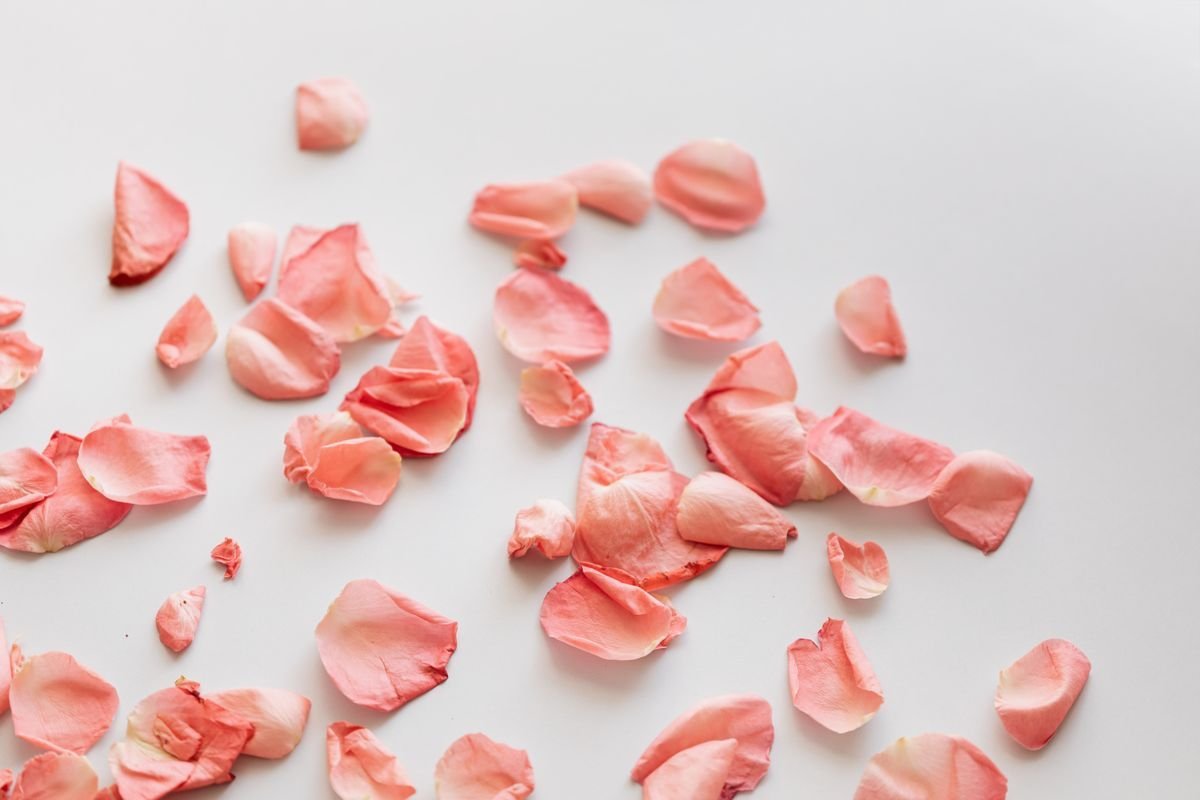
Take 2 cups of fresh petals from unsprayed Desi gulab (Damask roses), rinse them gently, and put them in a saucepan with just enough distilled water to cover them, about 1.5 cups. Cover and simmer on the lowest heat for 20 to 30 minutes, until the petals turn pale. Let it cool, strain through muslin into a clean glass bottle, and store it in the fridge. Use it within 2 weeks; if it smells off or turns cloudy, throw it away.
How to Choose Good Rose Water
Not all rose water is equal, and the rose water benefits for skin depend on purity. Check the label before you pay: ingredients should say only “rose distillate” or “Rosa damascena distillate” and water — if fragrance, colour or alcohol come first, it is not pure rose water. It should be clear or very faintly pink, not bright pink, and smell like fresh roses, not perfume. Buy it in a glass bottle, and look for “steam-distilled” on the label. Pure rose water costs more, but a 100 ml bottle lasts a month or more.
Who Should Be Careful with Rose Water?
Rose water is one of the gentlest skincare ingredients, and it is safe for most people, but a few should be careful. People allergic to roses should do a patch test first: apply a little on your inner arm and wait 24 hours — if you get redness, itching or a rash, stop using it. People with very sensitive skin should use pure, fragrance-free rose water only; fake rose water with added fragrance and alcohol can irritate sensitive skin badly. People using strong acne or anti-ageing treatments (like retinoids or strong acids) should introduce rose water slowly — the skin is already sensitive from those treatments. Do not put rose water in your eyes unless it is a sterile, medical-grade product — the cotton-pad method on closed eyes is safe.
Rose water does not make skin sun-sensitive, so it is safe to use in the morning. Still, always wear sunscreen during the day — rose water is not sun protection.
FAQs About Rose Water Benefits for Skin
Can I use rose water every day?
Yes. Pure rose water can be used twice a day, morning and night, on all skin types. Most people see the best results with regular use over two to three weeks.
Is rose water good for oily skin?
Yes. Rose water is water-based and oil-free, so it does not add oil to oily skin. Use it as a toner after washing, before a light, oil-free moisturiser.
Can rose water remove dark spots?
It may help fade mild pigmentation slowly, because of its antioxidants and vitamin C, but it is not a strong treatment for dark spots. Rose water supports the process; it does not do it alone.
Should I wash my face after applying rose water?
No. Rose water is a leave-on product. Apply it after washing, let it absorb, then apply serum or moisturiser.
Conclusion
The rose water benefits for skin are simple, gentle and real: hydration, less redness, balanced pH, a natural glow, and a calmer, fresher face. It will not transform your skin overnight, and it will not replace sunscreen, a good cleanser or a dermatologist’s treatment. But as a daily step, it is one of the easiest, cheapest ways to make your skin look and feel better.
Start small: buy pure rose water, or make your own this weekend, and use it as a toner morning and night for two weeks. Notice how your skin feels after washing — softer, calmer, less tight. That is the honest test, and for most people, it passes.
Disclaimer: This article is for general information only and is not medical advice. Rose water is a cosmetic, not a medicine. If you have a skin condition, are allergic to roses, or your skin reacts badly to any product, stop using it and talk to a dermatologist. If symptoms persist or get worse, seek medical care.