

Every winter, the same small ritual plays out in Indian homes: someone opens a jar of dark, sticky chyawanprash and spoons out a teaspoon with a glass of warm milk. Grandmothers swear by it — and if you have ever wondered whether it actually does anything, or how much you should really eat, this guide is for you.
Chyawanprash benefits get talked about in big, sweeping terms: better immunity, stronger lungs, more energy, sharper memory. Some of that has real backing; some of it is tradition doing the talking. Below, we look at what chyawanprash is, what it may help with, how to eat it, and who should be careful — with the evidence stated plainly, not oversold.
What Is Chyawanprash?
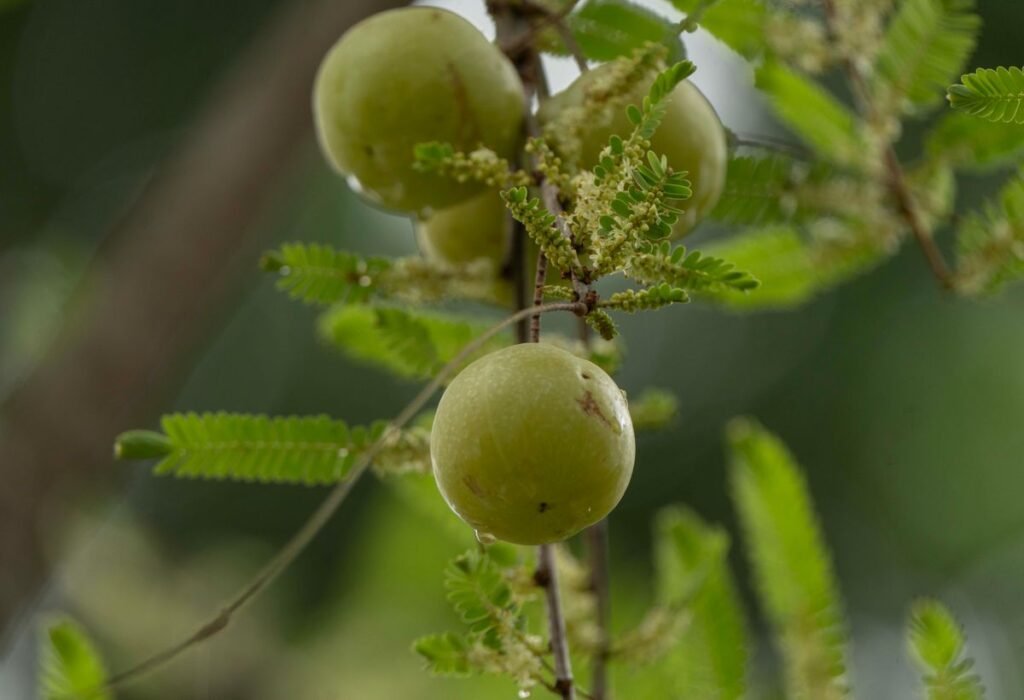
Chyawanprash is an Ayurvedic jam, or avaleha, built around amla — Indian gooseberry. The classic recipe cooks amla pulp with ghee, honey, jaggery or sugar, and 40 or more herbs and spices: ashwagandha, giloy, pippali (long pepper), shatavari, cardamom and cinnamon, among others. The result is a thick, dark brown paste that tastes sweet, sour and faintly spicy all at once — and that mix is where most chyawanprash benefits come from: not one magic ingredient, but a slow, daily top-up of many small ones.
The name comes from the sage Chyawan, who, the story goes, regained his youth after taking this Rasayana. The recipe is old, appearing in the Charaka Samhita, one of Ayurveda’s oldest texts, and families have made versions of it at home for generations.
A spoonful packs a lot in: amla is one of the richest natural sources of vitamin C, and the herbs add their own compounds. Think of it as a winter tonic, not a medicine — a daily habit for general strength, not a fix for a specific illness.
Chyawanprash Benefits: What It May Help With
Here is what people take it for, and how strong the evidence is for each claim. A 2017 review in the Journal of Ethnopharmacology found most clinical studies so far are small and short. You can read that review of chyawanprash’s therapeutic benefits yourself; the rest of this section sticks to what those studies actually showed.

May support immunity. This is the chyawanprash benefit with the best evidence behind it, and it is still modest: a trial in 313 healthy children found daily chyawanprash for six months meant fewer infections and allergy episodes than the control group. Lab work also shows it wakes up immune cells, but large, long trials in adults are missing — so “supports immunity” is fair, and “prevents illness” is not.
May help the lungs. Ayurvedic texts call it a lung tonic, often suggested for people who catch winter coughs easily. A 2012 trial in 99 tuberculosis patients found it reduced some side effects of TB medicines used alongside them — a narrow finding, not proof it clears a normal winter cough.
May improve energy and stamina. This is the claim most regular users report — less tiredness, steadier energy — and the children’s trial also noted better reported energy and stamina. No big adult trial has measured this properly, so treat it as a likely small effect, not a transformation.
May aid digestion. The spices in the recipe — pippali, cardamom, cinnamon — are traditionally used for sluggish digestion, gas and appetite, and many people find a morning spoonful settles their stomach. That is mostly tradition and personal experience, not trial data.
May support skin and hair. Amla’s vitamin C helps the body make collagen, which matters for skin and hair. But no trial has tested chyawanprash directly for skin or hair, so any glow you notice is more likely the vitamin C doing its quiet work than the jam working miracles.
May help blood sugar and cholesterol markers. A small 16-week trial in ten healthy men found chyawanprash beat vitamin C on blood-sugar rise after eating and cholesterol profile — but a later, larger study in people with type 2 diabetes found no change in blood sugar, so this one stays in the “interesting, not proven” box.
May support healthy ageing. Its antioxidant content is real — amla and the herbs are rich in compounds that mop up free radicals. Whether that slows ageing in real life is untested: tradition says yes, the trials have not caught up yet.
Chyawanprash Benefits and Dosage: How Much to Eat in a Day
For most healthy adults, 1 to 2 teaspoons a day — about 12 to 25 grams — is the usual amount: one teaspoon in the morning is enough for most people, and two is the upper end, not a target. Children above three usually take half to one teaspoon, and only if the label says it is suitable for them. To get the chyawanprash benefits without overdoing the sugar, keep the dose small — more is not better here, since every extra spoon adds calories and sugar for no added benefit. Follow the label if it says something different; brands vary.
Best Time and How to Eat Chyawanprash
Morning is the usual time, on an empty stomach or just before breakfast. The most common way is a spoonful followed by a glass of warm (not hot) milk, which softens the strong taste. If milk does not suit you, warm water works too; some people spread it on toast or a roti like jam. Chyawanprash benefits come from regular use, not from the exact vehicle: a teaspoon every morning for a few weeks beats a big spoonful once in a while. Avoid taking it right before bed if it leaves you feeling warm or restless.
How to Spot Good Quality Chyawanprash
Good chyawanprash is thick, dark brown, and holds its shape on a spoon — it should not run like syrup. The taste is sweet first, then sour, with a warm hit of spice. On the label, amla should come first, and the list should read like a kitchen and herb shelf, not a chemistry set. Watch out for very cheap jars with a runny texture, flat one-note sweetness, or artificial colours and flavours. Buy from a brand you trust, check the expiry date, and keep the jar closed and dry.
Who Should Avoid Chyawanprash or Be Careful
Chyawanprash is a food, not a drug, but it is not for everyone. People with diabetes should be careful: most recipes contain sugar or jaggery, and a daily spoonful adds up — sugar-free versions exist, but ask your doctor first. If you are pregnant or breastfeeding, check with your doctor before starting it. Skip it during loose motions or diarrhoea, and if you take regular medicine, ask your doctor whether a daily herbal tonic fits in. Children under three should not have it.
Chyawanprash Benefits — Frequently Asked Questions
Can I eat chyawanprash every day?
Yes — that is how it is meant to be used: one teaspoon a day through winter is the usual pattern, and daily use is normal and safe for most healthy adults.
Is chyawanprash good for diabetes?
Not the regular kind — it contains sugar or jaggery, which raises blood sugar. Sugar-free chyawanprash exists, but if you have diabetes, ask your doctor before taking any version.
Can children eat chyawanprash?
Children above three can usually take half to one teaspoon a day — check the label and your paediatrician — but keep it away from toddlers.
How long before chyawanprash shows results?
It is a tonic, not a quick fix. Chyawanprash benefits build slowly: most people notice small changes — fewer winter sniffles, steadier energy — after a few weeks of regular use. If nothing changes in two or three months, it may not be the right tonic for you.
The Short Version
Chyawanprash is one of those rare things that is both traditional and reasonable: a spoonful of amla and herbs each winter morning, backed by a few small trials and a long history of use. It will not stop you catching every cold, and it is no substitute for sleep, good food, or medicine. But as a daily winter habit — one teaspoon, warm milk, done — it is a sensible, low-cost addition for most healthy adults. Buy a good jar, keep the dose small, pair it with other winter foods like gond ke laddu, and skip it if your doctor says so.
Disclaimer: This article is for general information only and is not medical advice. Chyawanprash is a food supplement, not a treatment for any illness. If you have diabetes, are pregnant, take regular medicine, or have any health condition, talk to your doctor first.