
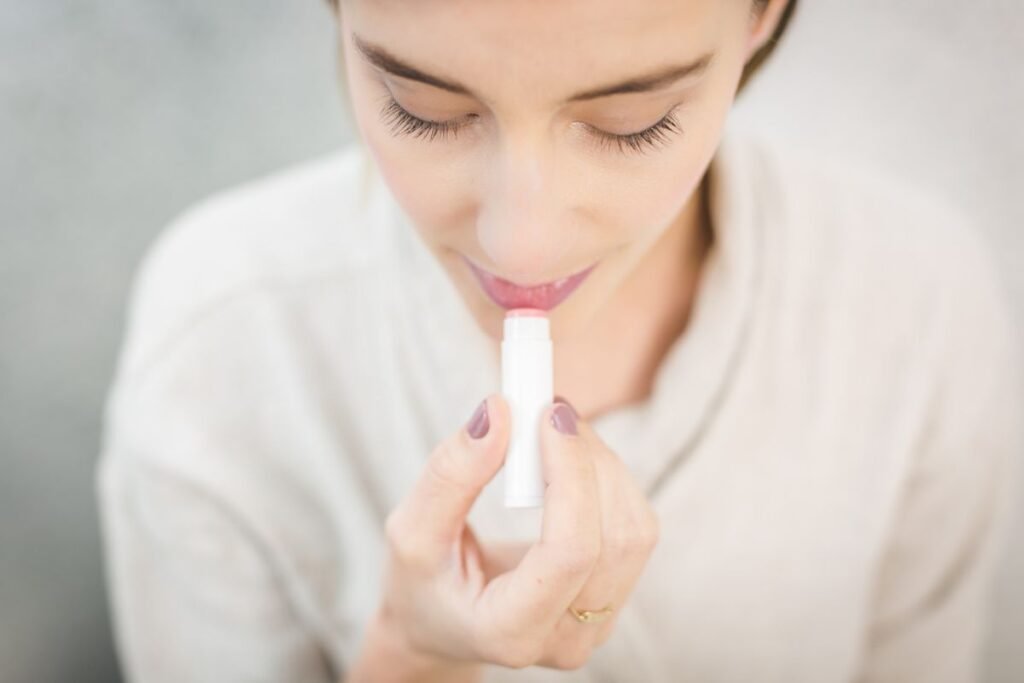
Every winter, the same thing happens. One morning you wake up, smile, and feel it, that tight, papery pull at the corners of your mouth. By evening your lips are flaking, and by the next day they can split and sting when you eat. If that sounds familiar, you are not alone. Chapped lips home remedies are among the most-searched winter skincare topics in India every year. The fix is usually already in your kitchen. This guide shares 10 chapped lips home remedies, explains why lips crack in winter, and tells you when to see a doctor instead.
Why Do Lips Crack So Much in Winter?
Your lips are built differently from the rest of your skin, and winter exposes every weakness. Lip skin is the thinnest skin on the body, only three to five layers of cells, compared with about sixteen on the rest of your face. Lips also have no oil glands, so they cannot make the natural oils that keep skin soft. Their moisture comes from outside, and winter takes it away fast.
Cold wind outside and dry air inside work against you. Heaters drop indoor humidity sharply, and every breath of cold air pulls more moisture out of your lips. Most people also drink less water in winter, which dries lips from the inside. The same dry winter air that causes dry skin in winter hits your lips first, because they have the least protection.
Once a crack forms, it takes days to close, because lips move constantly and every movement reopens it. So the fix is a routine, not one application: gentle moisture by day, a thick sealing layer at night.
10 Chapped Lips Home Remedies That Actually Work
These 10 chapped lips home remedies use things you already have at home, no special shopping needed.
1. Desi Ghee, Overnight
Ghee is rich in fatty acids that sink into lip skin and stay there, unlike water-based creams. Before bed, wash your lips, pat them dry, and rub a thin layer of pure desi ghee over them overnight.
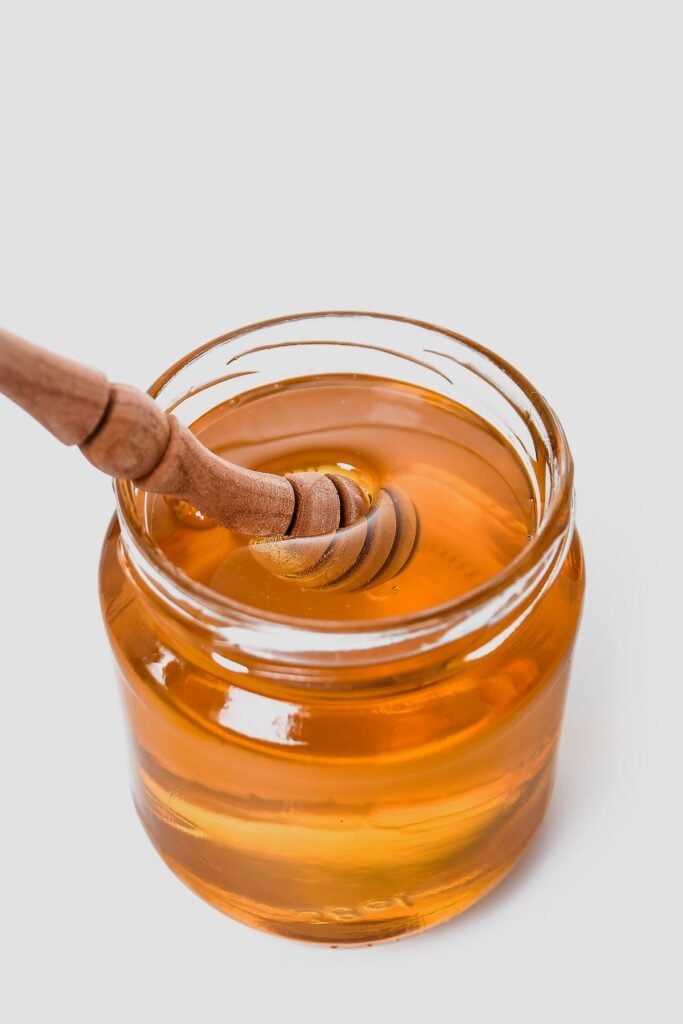
2. Honey, the Natural Healer
Honey pulls moisture into your skin, and its mild antibacterial properties help tiny cracks heal. Dab a thin layer of raw honey on clean lips, leave it for 15 to 20 minutes, then rinse with lukewarm water and follow with a little ghee or coconut oil.
3. Cold-Pressed Coconut Oil
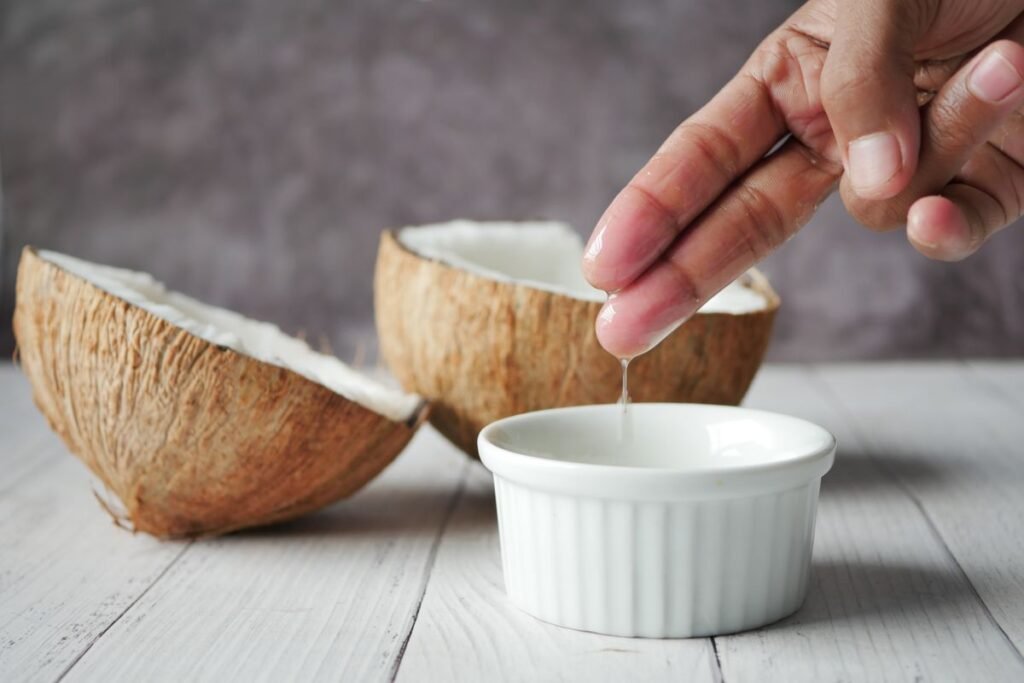
Coconut oil is light, soaks in quickly, and forms a thin barrier that slows water loss. Warm a few drops between your fingertips and press them onto your lips two or three times a day. It works best on slightly damp lips, so apply it after washing your face.
4. Honey-Sugar Scrub, Once or Twice a Week
Dead, flaky skin blocks moisture, so a gentle scrub helps, but only once or twice a week. Mix half a teaspoon of honey with half a teaspoon of fine sugar, rub it over your lips for 30 seconds, then rinse and apply ghee or oil. Never scrub cracked or bleeding lips.
5. Aloe Vera Gel
Fresh aloe vera gel cools the sting of cracked lips and helps the skin repair itself. Use gel from a fresh aloe leaf, or a pure, fragrance-free store-bought gel. Apply a thin layer and let it dry. Seal it with a drop of coconut oil or petroleum jelly on top.
6. Malai (Fresh Cream)
Malai is one of the gentlest chapped lips home remedies in an Indian kitchen. It is mostly milk fat, so it coats the lips and keeps moisture in without any sting. Rub a little fresh malai over your lips and leave it for 15 minutes before rinsing.
7. Beetroot Tint for Colour and Care
If your lips look pale and dull along with being dry, beetroot gives you colour and care in one step. Mix a teaspoon of beetroot juice with a few drops of coconut oil or ghee. Dab it on, leave it for 10 to 15 minutes, then rinse. The juice leaves a soft pink tint while the oil keeps lips moist.
8. Petroleum Jelly or Vaseline, the Seal
Petroleum jelly adds no moisture itself, it locks in whatever moisture is already there. After your evening face wash, apply a thick layer of plain petroleum jelly and sleep with it on. The American Academy of Dermatology lists plain, fragrance-free petroleum jelly among the first things to try for dry, cracked lips.
9. Water, and a Humidifier at Night
Home remedies work from the outside, but lips also dry out from the inside. In winter, most people drink far less water without noticing it, and the lips show it first. Sip water through the day, aim for 6 to 8 glasses. Run a small humidifier in the bedroom, or place a bowl of water near the heater.
10. An SPF Lip Balm for the Daytime
Winter sun is weaker, but it still dries and burns lips on bright, clear days. A daytime lip balm with SPF 15 or higher protects lips while you are out. Pick a plain, fragrance-free balm with petroleum jelly, shea butter, or ceramides, and skip anything with menthol or camphor.
What NOT to Do When Your Lips Are Chapped
Some habits make cracked lips worse. Licking your lips is the biggest one, saliva evaporates in seconds and leaves lips drier than before, and the enzymes in saliva irritate cracked skin. Picking at flakes tears off healthy skin and can open small wounds. Avoid matte lipstick and very spicy food until your lips recover.
How to Choose the Right Lip Balm
Look at the ingredients, not the packaging. The first ingredient should be something that seals moisture in, petroleum jelly, mineral oil, shea butter, or beeswax. Choose fragrance-free, because fragrance and flavour irritate cracked lips. For daytime, pick SPF 15 or higher. Avoid balms that list menthol, camphor, eucalyptus, or salicylic acid near the top.
When Chapped Lips Mean Something More
Most winter lip cracks heal within a week, but some signs mean you should see a doctor. Cracks at the corners of the mouth that keep coming back, called angular cheilitis, can point to low vitamin B12 or iron, or a mild fungal infection. Bleeding, swelling, or white patches also need a check-up. No improvement after two to three weeks of proper care is another warning sign. These are the cases where chapped lips home remedies are not enough, and a doctor should treat the cause instead of the symptom.
Chapped Lips Home Remedies: Frequently Asked Questions
Why do lips crack so much in winter?
Lips have the thinnest skin on the body and no oil glands, so they lose moisture fast. Cold wind, dry heating, and drinking less water all dry them out, and licking makes it worse. A nightly layer of ghee protects them while they recover.
Is it safe to use ghee on lips every day?
Yes. Pure desi ghee is just milk fat, with no fragrance or chemicals, and it is safe to use every night. If you are allergic to dairy, use coconut oil or petroleum jelly instead.
How long do chapped lips take to heal?
Mild dryness improves in two or three days. Deeper cracks usually need one to two weeks of a steady routine.
Can chapped lips be a sign of vitamin deficiency?
They can be. Cracks that keep returning at the corners of the mouth are sometimes linked to low vitamin B12 or iron, so ask your doctor for a simple blood test.
Does drinking more water actually help chapped lips?
Yes, but it is only half the fix. Water stops lips drying out from the inside, but lips also need a protective layer outside. Use both.
Conclusion
Chapped lips in winter are annoying, but easy to fix: gentle moisture during the day, a thick protective layer at night, and a few habits dropped. Start with what is already in your kitchen and give these chapped lips home remedies a week. If your lips heal, keep the nightly routine going until spring. If they do not, get them checked.
Disclaimer: This article is for general information only and is not medical advice. These are traditional home remedies for mild, everyday chapped lips. If your lips bleed often, swell, or show no improvement after two to three weeks, consult a doctor.