
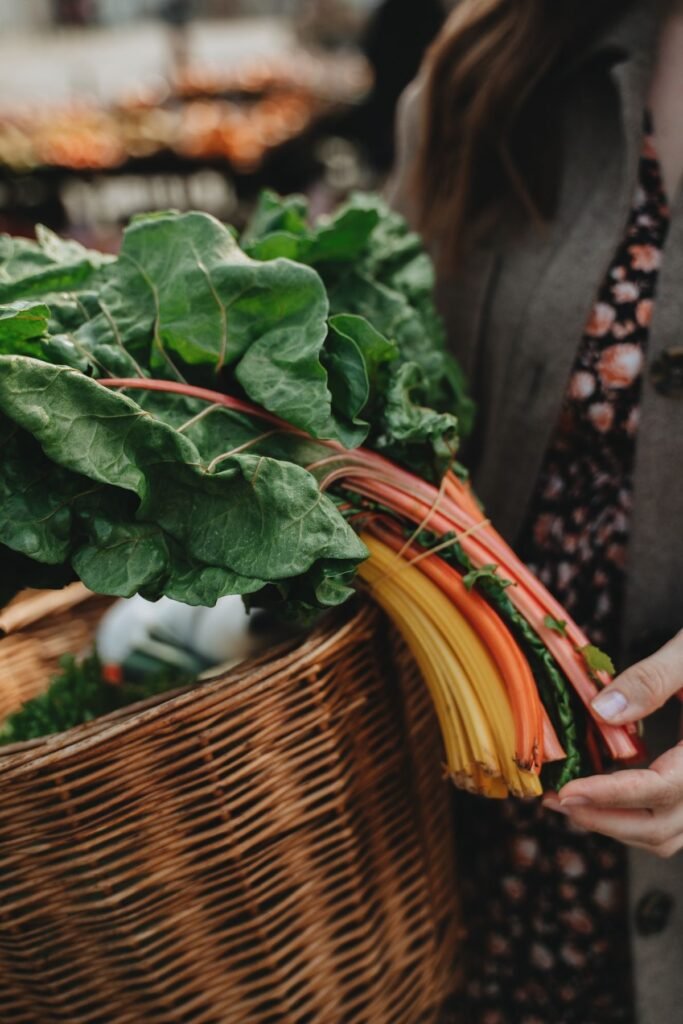
Every December in Punjab, the first sign that winter has truly arrived is not the fog — it is the smell of sarson ka saag slow-cooking on the stove, with white butter melting on top and a hot makki ki roti beside it. Sarson ka saag benefits go far beyond comfort food. This humble dish of mustard greens is one of the most nutrient-packed meals on an Indian winter table — rich in iron, calcium, folate and vitamins A, C and K. Here is what is in it, and how much to eat.
What Is Sarson Ka Saag?
Sarson is mustard greens, a leafy winter crop that grows across Punjab, Haryana and Uttar Pradesh from November to February. Sarson ka saag is the slow-cooked dish made from those leaves, usually mixed with bathua, palak and a little methi to soften the sharp, slightly bitter taste of mustard. The greens are washed, chopped, boiled until soft, then blended into a thick mash and finished with a tadka of garlic, ginger and green chilli in ghee. It is served with makki ki roti and white butter — a combination that has fed Punjabi winters.
A 100-gram serving gives you about 115 mg of calcium, 2.3 mg of iron, 257 micrograms of vitamin K and over 4,800 IU of vitamin A — plus folate, vitamin C and fibre — for very few calories.
Sarson Ka Saag Benefits: 7 Reasons to Eat It This Winter
Here are the seven sarson ka saag benefits that matter most in the cold months.
1. Iron and Haemoglobin
Iron is the sarson ka saag benefit most people know first. Mustard greens carry about 2.3 mg of iron per 100 grams — and they also bring vitamin C, which helps the body absorb that iron. Vitamin C can raise iron absorption from plant foods several times over. If low iron is a concern, our guide to iron deficiency in Indian women covers the symptoms and foods, and our haemoglobin guide has a 7-day vegetarian plan. One katori a couple of times a week is a simple way to keep iron intake up through winter.
2. Immunity That Holds Up Through Winter
Winter in north India means dry air, smog and colds going around the whole house. Mustard greens bring vitamins A and C, which support immune cells — vitamin C helps fight infections, and vitamin A keeps the lining of the nose and throat healthy. A cup of raw greens gives you about 39 mg of vitamin C, a good share of the day’s need. It will not stop every cold, but it gives your body better material to fight with.
3. Stronger Bones — Calcium Plus Vitamin K
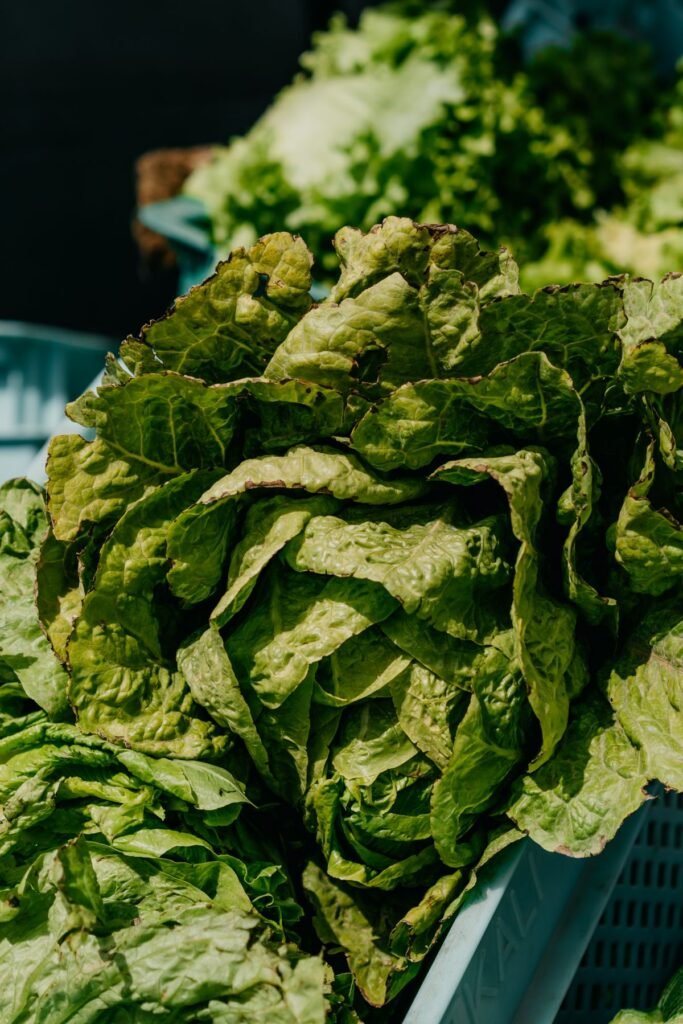
Calcium gets all the attention for bones, but vitamin K is the quiet partner — it helps the body use calcium to build bone. Mustard greens are one of the richest sources of vitamin K — a cup of cooked greens can carry several times the daily requirement. Read more about vitamin K and why it matters on MedlinePlus. With about 115 mg of calcium per 100 grams of raw greens, plus the vitamin K, sarson ka saag is one of the best winter foods for bones — especially for older adults and women.
4. Digestion and a Happier Gut
The fibre in mustard greens does quiet work. It adds bulk, keeps food moving, and feeds the good bacteria in the gut — the prebiotic effect dietitians talk about. Winter usually means heavier food and less movement, so a fibre-rich dish like saag helps digestion stay regular — and keeps you full for longer.
5. Eyes and Vitamin A
The deep green colour of mustard leaves is a clue: it comes from beta-carotene, which the body turns into vitamin A. A 100-gram serving gives you over 4,800 IU of vitamin A. Vitamin A keeps the cornea clear and helps your eyes adjust in dim light, which is why leafy greens are one of the simplest foods for eye health.
6. A Heart-Friendly Winter Food
Sarson ka saag is kind to the heart in three small ways. Its fibre helps pull cholesterol down, its potassium helps balance salt’s effect on blood pressure, and its folate supports blood vessels. Saag is no replacement for BP medicine — but as a regular winter food, it points your diet in the right direction. Keep the ghee tadka modest, though: a spoon of ghee adds flavour, a ladle of it adds a lot of calories.
7. Skin That Shows It
Vitamin C is not only for immunity — skin needs it to make collagen, the protein that keeps skin firm. Winter dries the skin out, and a dish that supplies vitamin C and vitamin A in one serving does real work from the inside. Saag will not replace a moisturiser, but skin fed well through winter tends to look better. It is one of the quieter sarson ka saag benefits, and one of the most visible.
How to Make Sarson Ka Saag the Traditional Way
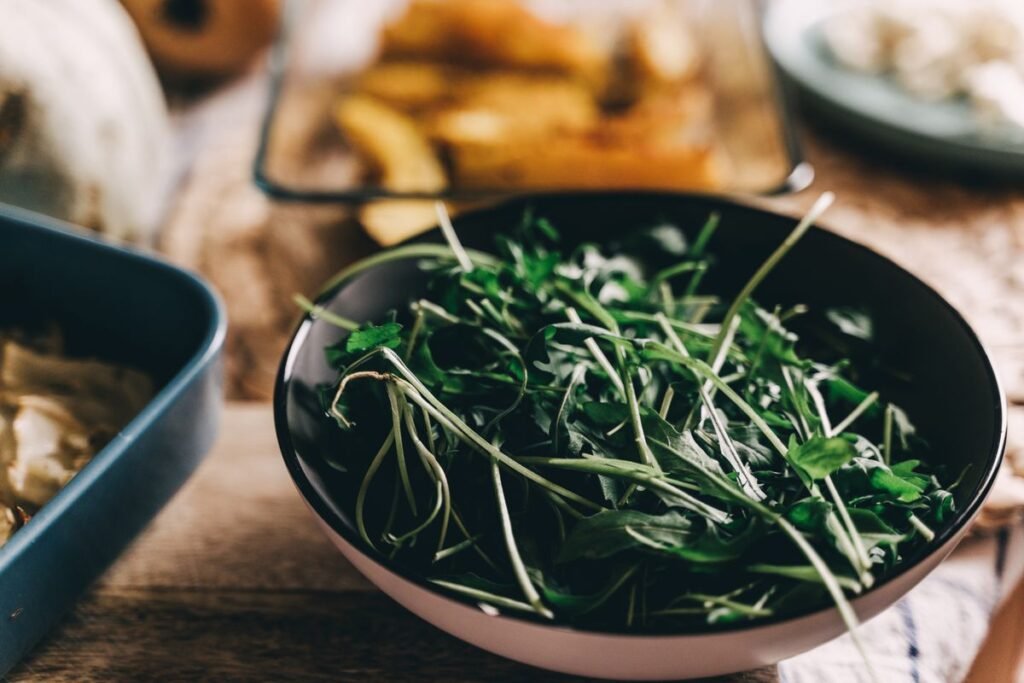
You need: 2 bunches of sarson, 1 small bunch of bathua, a handful of palak, 1 onion, 2–3 cloves of garlic, a thumb of ginger, 2 green chillies, salt, and 2 tablespoons of desi ghee for the tadka. Wash the greens very well, then chop them roughly. Boil or pressure-cook the greens with a little water for 20 to 25 minutes until soft, then blend them coarse, not smooth. Heat the ghee, fry the garlic, ginger, chilli and onion till golden, and pour it over the saag. Serve hot with makki ki roti and a knob of white butter on top.
How Much Sarson Ka Saag Should You Eat?
A katori — about 150 grams — two times a week is the usual pattern. That gives you a steady supply of iron, calcium and vitamins without overdoing any single food. Eat it as a main dish with makki roti, not as a small side — a full katori is where the nutrition is.
Who Should Be Careful With Sarson Ka Saag?
Sarson ka saag is safe for most people, with a few cautions. Mustard greens contain goitrogens, which can interfere with the thyroid if eaten raw in large amounts — but cooking reduces them a lot, and a normal cooked serving is fine for most people. If you have a thyroid condition, eat it cooked and in usual amounts, and check with your doctor. The greens are also very high in vitamin K, so if you take a blood thinner like warfarin, keep your intake steady and ask your doctor first. And wash the leaves well under running water before cooking — pesticide residue sits on leafy greens.
Frequently Asked Questions
What are the main sarson ka saag benefits?
The main sarson ka saag benefits are iron for haemoglobin, vitamins A and C for immunity, calcium and vitamin K for bones, fibre for digestion, and beta-carotene for eyes.
Can I eat sarson ka saag every day?
You can, but twice a week is the usual pattern and is enough. Eating it daily is fine for most healthy adults — just keep the ghee and white butter modest.
Is sarson ka saag good for thyroid patients?
In cooked form and normal amounts, yes for most people — cooking reduces the goitrogens. Avoid large amounts of raw mustard greens, and check with your doctor if you take thyroid medicine.
What should I eat with sarson ka saag?
Makki ki roti and white butter is the classic pairing — the roti adds slow carbs and fibre, and the butter carries the fat-soluble vitamins.
Is sarson ka saag good for weight loss?
The greens are low in calories and high in fibre, so they keep you full. The weight-loss catch is the ghee tadka and white butter: keep those to a spoon, not a ladle, and the dish stays light.
The Short Version
Sarson ka saag is proof that the best winter food in India is also the cheapest: mustard greens, slow-cooked with bathua and finished in ghee, give you iron, calcium, vitamins A, C and K, fibre and steady warmth. Eat a katori twice a week with makki ki roti, keep the ghee modest, and let the sarson ka saag benefits add up all winter.
Disclaimer: This article is for general information only and is not medical advice. If you have a thyroid condition, take blood-thinning medicine, or have any health condition, please consult your doctor. Food amounts mentioned here are general guidance only.