

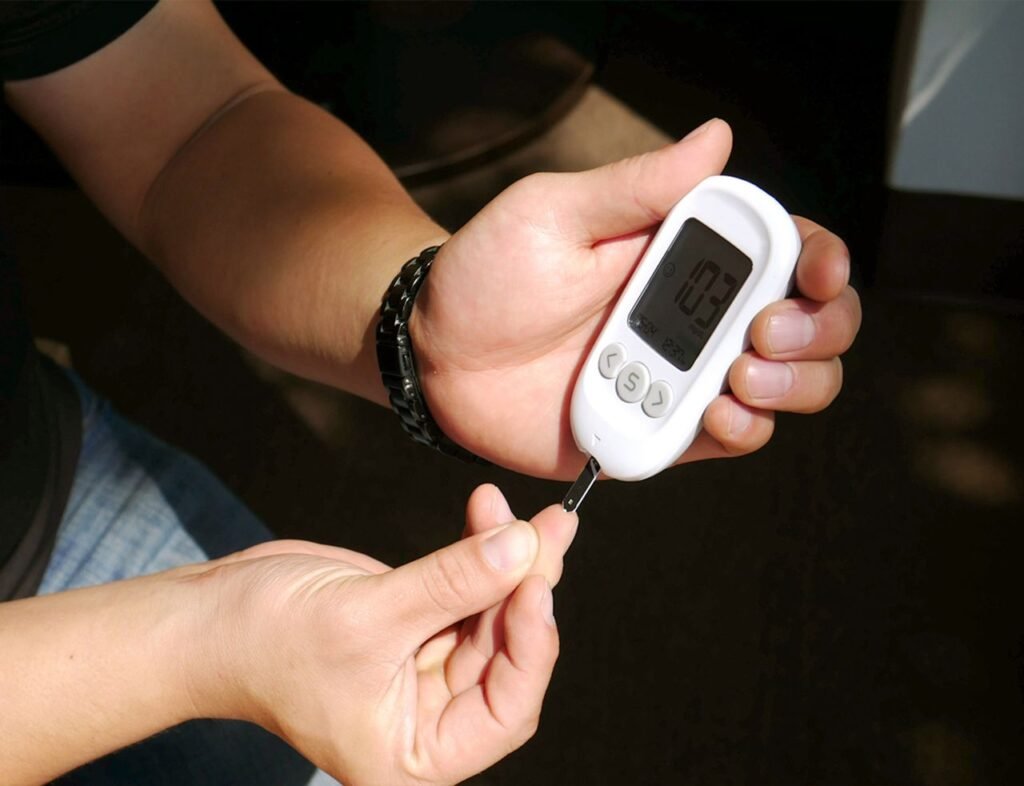
India has more people living with diabetes than almost any other country — over 100 million, and millions more who do not know they have it. The good news is that blood sugar is one of the few health numbers you can change with food, walking and daily habits, often within weeks. This hub brings all of WellHealthOrganic’s diabetes and blood sugar guides into one place: what to eat, what to avoid, the early signs to watch for, and the home remedies that genuinely help — with honest limits on what they can do.
Know Your Numbers First
Before any food or remedy, know where your diabetes and blood sugar stand. Diabetes is usually found with a simple blood test: fasting sugar (after 8 hours without food) and HbA1c, which shows your average sugar over three months. In general, fasting sugar under 100 mg/dL is normal, 100–125 is prediabetes, and 126 or above, confirmed twice, points to diabetes — but only a doctor can diagnose you, and ranges vary by lab and age, so treat these as orientation, not a verdict.
The early signs of diabetes in India are easy to miss: frequent urination, constant thirst, unexplained weight loss, tiredness that does not lift with rest, slow-healing cuts, and blurred vision. If you notice two or more of these together, get tested — do not wait for them to get worse. Testing is cheap, and catching diabetes early is the single biggest advantage you can give yourself. If you already take diabetes medicine, check your sugar as your doctor advises, and tell your doctor before starting any home remedy for diabetes and blood sugar in this hub, because several of them can add to your medicine’s effect.
Food First: What Steady Sugar Looks Like
Diabetes and blood sugar control is mostly a food problem, so food is the main lever. The principle is simple: eat foods that release sugar slowly (low glycemic index), add fibre and protein to every meal, and keep portions steady. The 7-day diabetes diet chart for Indian vegetarians turns that principle into a full week of meals — what to eat, what to avoid, and how to build a plate with dal, sabzi, salad and one roti instead of three.
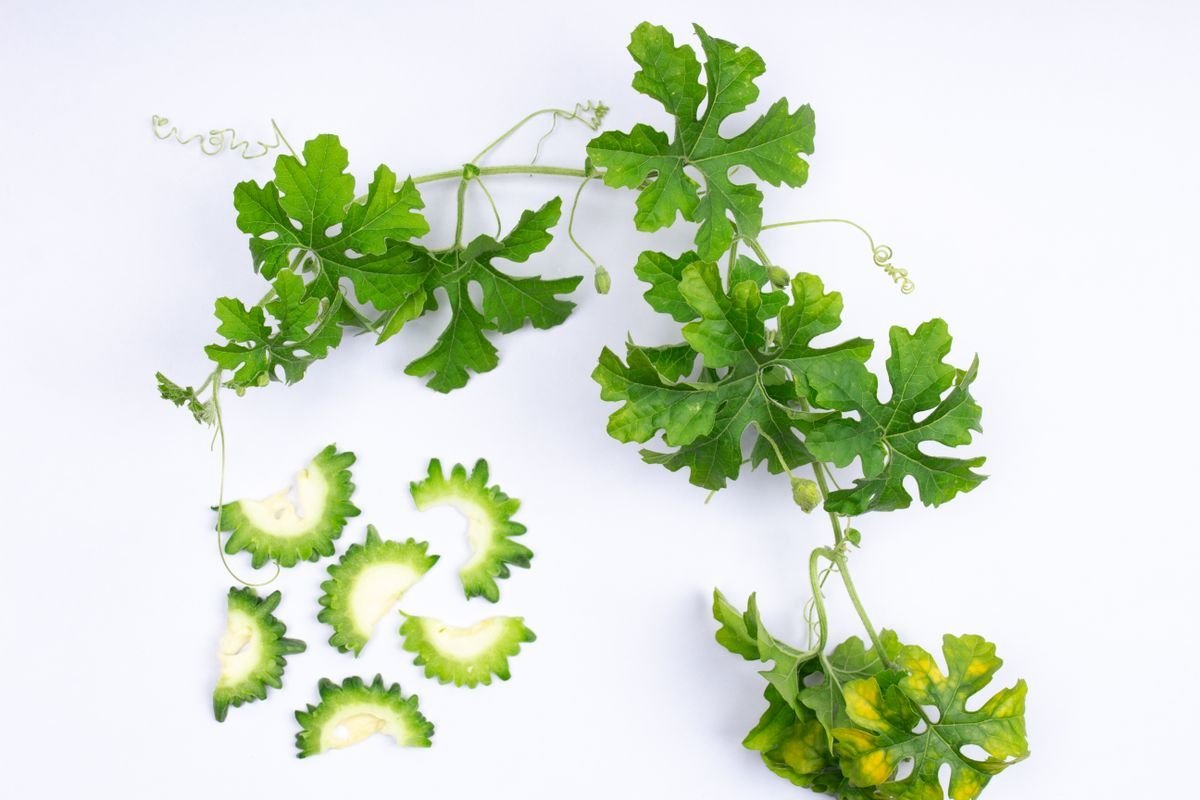
Three traditional foods deserve special attention. Jamun is the most famous diabetes fruit in Ayurveda — low glycemic index, rich in anthocyanins, and its seeds contain jamboline and jambosine, which slow starch turning into sugar. Methi (fenugreek) seeds, soaked overnight and eaten in the morning, slow sugar absorption with their soluble fibre. And karela (bitter gourd) juice is the bitter classic — it supports insulin use, but it is strong, so start with a small glass and never take it on an empty stomach if you have acidity.
For fruit, the rules are simpler than people think. The safe-fruits list for diabetic patients gives portions and glycemic values for Indian fruits — guava, jamun, papaya and apple in small portions are usually fine; banana, mango and grapes need smaller portions and better timing. Guava is a good example: high in fibre and vitamin C, low in sugar, and it keeps you full. And on sweetness: is jaggery good for diabetes answers the question most Indian families ask — jaggery raises blood sugar almost like sugar does, so it is not a safe substitute, however natural it is. For a general view of the same food, the jaggery benefits guide covers what gur does well, and where it does not help.
Drinks and Daily Habits That Steady Sugar
What you drink matters as much as what you eat. Water is the baseline — a glass before meals slows eating and steadies sugar. Apple cider vinegar in water before a carbohydrate-heavy meal can improve insulin sensitivity and blunt the post-meal spike, but it is acidic, so always dilute it and skip it if you have acidity or gastritis. Unsweetened green tea, jeera water and buttermilk are all safe daily drinks for most people managing diabetes and blood sugar.
Movement is the second lever, and it does not need a gym. A 15-minute walk after lunch and dinner lowers the post-meal spike more reliably than most supplements — muscles use glucose directly, so the sugar never piles up in the blood. Sleep is the third lever: one bad night raises insulin resistance the next day, so a regular sleep time is a diabetes habit, not a luxury. And stress counts too — cortisol raises blood sugar, so the same stress and sleep habits that help your mood also help your sugar.
What to Avoid
A short list covers most of the damage: sugary drinks (cola, sweetened juice, energy drinks), white bread and maida snacks, large portions of white rice, fried food eaten daily, and skipping meals then overeating. Skipping medicine is the biggest avoid of all — no food or home remedy in this hub replaces prescribed diabetes medicine, and stopping medicine to try a remedy is dangerous. If a remedy seems to lower your sugar, tell your doctor and let them adjust the dose; do not adjust it yourself.
When to See a Doctor
See a doctor promptly if you notice frequent urination and constant thirst together, unexplained weight loss, wounds that do not heal, numbness or tingling in the feet, or blurred vision. Go urgently if you feel confused, very drowsy, or have sweet-smelling breath with vomiting — those can be signs of dangerously high sugar. And if you are pregnant, have kidney disease, or take insulin, check with your doctor before changing your diabetes and blood sugar diet or starting any remedy in this hub.
How to Use This Hub
Newly diagnosed or worried? Start with the early signs guide and get tested. Already diagnosed? Start with the 7-day diet chart and the safe-fruits list, then add one remedy at a time — jamun in season, methi seeds in the morning, or karela juice — and watch your readings for two weeks before adding another. Food and habits do most of the work; remedies support them. Keep your medicine, your check-ups and your sugar tested, and use this hub as the food side of your diabetes and blood sugar care.
Disclaimer: This page is for general information only and is not medical advice. Diabetes is a serious medical condition. Never stop prescribed diabetes medicine in favour of food or home remedies. If you have diabetes, are pregnant, breastfeeding, taking regular medicine, or have kidney disease, talk to your doctor before changing your diet or using any remedy here. If symptoms persist or get worse, seek medical care.
All Diabetes & Blood Sugar Guides
- Jamun Benefits for Diabetes: 10 Ways It Helps Blood Sugar
- Methi Seeds for Diabetes: How to Use, Benefits, Dosage & Side Effects
- Karela Juice for Diabetes Benefits: How to Make It & Who Should Avoid It
- Is Jaggery Good for Diabetes? The Truth About Gur, Sugar and Blood Sugar
- Early Signs of Diabetes in India: 10 Symptoms You Should Not Ignore
- What Fruits Can Diabetic Patients Eat in India? Safe List, Portions & GI Values
- Diabetes Diet Chart Indian Vegetarian 7 Day Plan: Foods to Eat & Avoid
- Apple Cider Vinegar for Weight Loss: 10 Benefits and How to Use It
- Jaggery Benefits: 10 Incredible Health Benefits
- Guava Benefits: The Winter Fruit for Immunity, Diabetes & Glowing Skin
- Makki Ki Roti Benefits: Gluten-Free Winter Energy, Fibre & Blood Sugar