

Every summer in India, jamun arrives in the markets — small, dark purple-black berries that stain your tongue violet and taste sweet, sour and astringent all at once. Children eat them with a pinch of salt; older people eat them for blood sugar.
The jamun benefits for diabetes are why this fruit is famous in Ayurveda. Jamun — also called Indian blackberry, Java plum or jambolan — has been used for over 2,000 years to manage blood sugar. Modern research is now confirming what Ayurveda has said all along: jamun slows the rise of sugar in the blood, improves how the body uses insulin, and protects against the damage diabetes causes.
This guide explains what jamun is, what is inside it, 10 jamun benefits for diabetes, how to eat it, how much is safe, and who should be careful.
What Is Jamun?
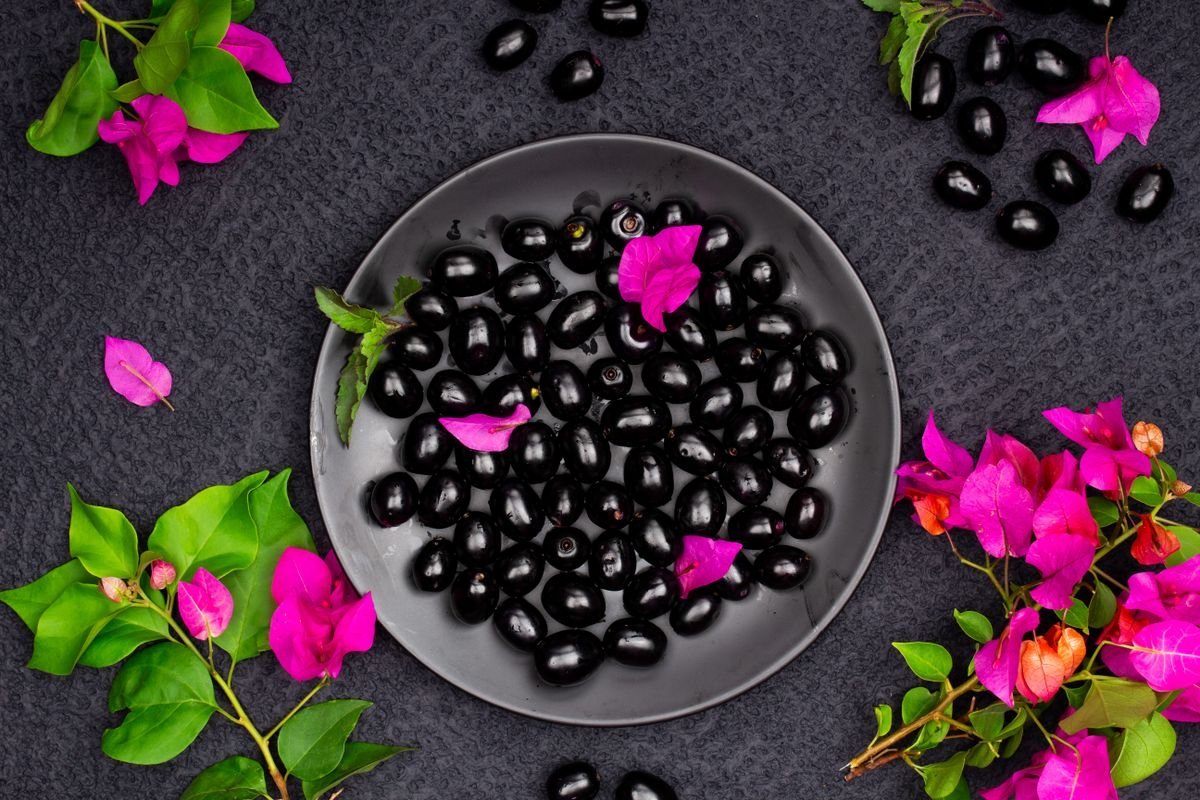
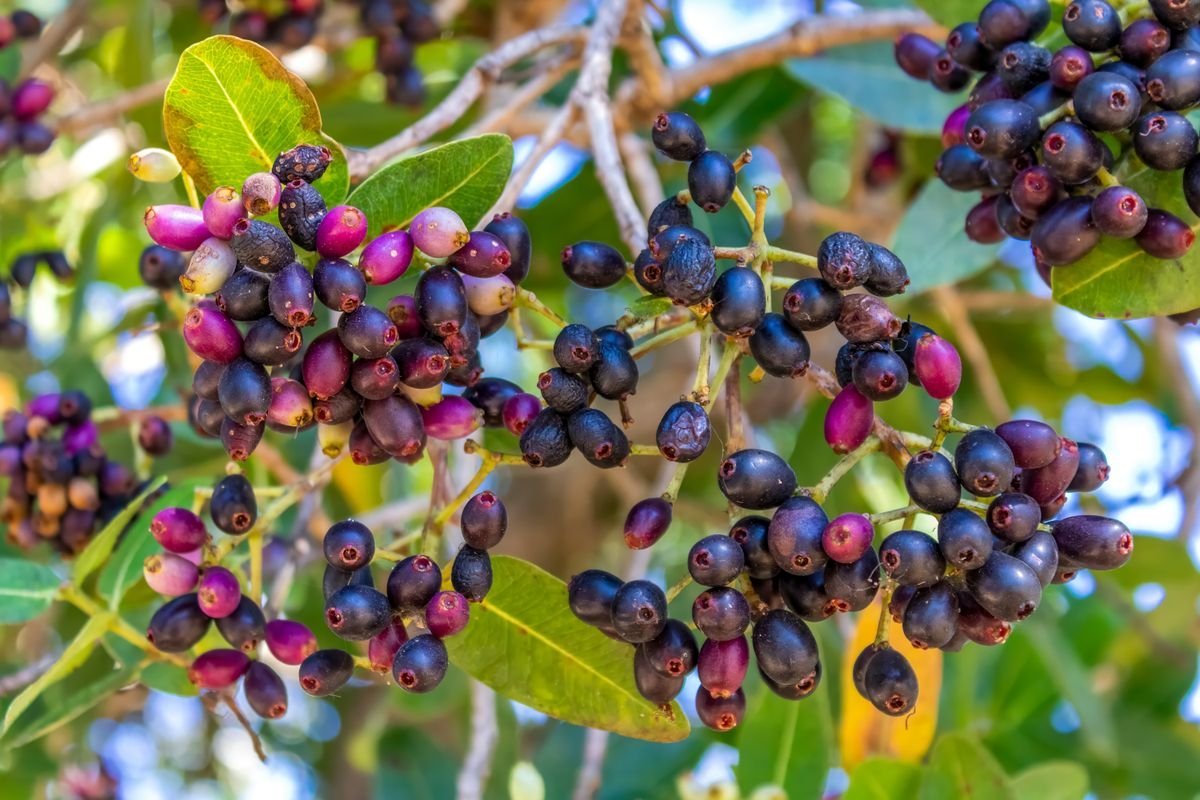
Jamun (Syzygium cumini) is a tropical evergreen tree native to the Indian subcontinent and Southeast Asia. Its fruit is small, oblong, deep purple-black when ripe, with a thin skin, soft purple flesh and a single large seed. The taste is sweet and tangy with a slightly astringent bite — like strong tea or an unripe banana.
Jamun is available for a short season, roughly June to August, so it is eaten fresh, made into juice and squash, or dried and powdered. In Ayurveda, the fruit, seeds, leaves and bark are all used as medicine. The seed powder (jamun guthli churna) is the most famous diabetes remedy of all — sold in every Ayurvedic shop in India.
Jamun is not the same as a regular plum, though they are related. A plum is round, bigger and sweeter; jamun is smaller, oblong, darker, and much more astringent. WebMD’s guide to plums covers the Java plum — jamun — separately, because its nutrition and blood-sugar effects differ from ordinary plums.
What Is Inside Jamun?
The jamun benefits for diabetes start with its chemistry. Jamun is low in calories — about 60 per 100 grams — and low on the glycemic index, at around 25, so it raises blood sugar slowly. It is rich in vitamin C, iron, calcium, potassium and magnesium, and packed with anthocyanins, the antioxidants behind its deep purple colour.
Most importantly for the jamun benefits for diabetes, jamun contains two bioactive compounds found in its seeds: jamboline and jambosine. These slow down the conversion of starch into sugar in the gut, which prevents sudden sugar spikes after a meal. Netmeds’ guide to jamun for diabetes explains that jamboline and jambosine slow gastric emptying and delay starch-to-sugar conversion, and that jamun seeds may improve insulin sensitivity, helping cells use glucose more effectively.
10 Jamun Benefits for Diabetes
1. Helps Control Blood Sugar Levels
The best-known of all jamun benefits for diabetes is blood sugar control. Jamun’s jamboline and jambosine slow the rate at which starch turns into sugar, so glucose enters the blood gradually instead of all at once. Its low glycemic index of around 25 means it raises blood sugar far more slowly than most fruits — which is why it is recommended alongside diabetes management, never instead of it.
Eat a small bowl of jamun (about 100 grams) as a mid-morning snack, instead of a biscuit or a sweet — the fibre slows sugar absorption further. But jamun is a support for blood sugar control, not a replacement for medicine: keep taking your prescribed medicine and checking your sugar levels.
2. May Improve Insulin Sensitivity
Jamun seeds may improve insulin sensitivity — the body’s ability to respond to insulin and move glucose into cells. When sensitivity is poor, the body needs more and more insulin to do the same job, and blood sugar stays high. Small clinical studies in India suggest jamun seed powder and extracts support healthy fasting and post-meal glucose, alongside diet and exercise.
Jamun seed powder is taken differently from the fruit: the seeds are dried, ground into a fine powder, and taken with water, usually half a teaspoon twice a day before meals. If you take diabetes medicine, tell your doctor before starting it — it can add to the medicine’s effect and push your sugar too low.
3. Slows Sugar Spikes After Meals
Jamun helps with the sugar spike that follows a meal — the post-meal rise hardest to control in diabetes. Its fibre slows digestion, its jamboline slows starch breakdown, and its low glycemic index means the sugar from the fruit itself enters the blood slowly. Together, they flatten the post-meal curve.
This is why jamun is best eaten on its own, as a snack between meals, rather than as a dessert after a heavy meal. Eaten after a big meal, its effect is drowned out by the rest of the food. Eaten alone, mid-morning or in the evening, it works as a slow, steady source of energy. Our diabetes diet chart explains how to time fruit and snacks so sugar stays steadier.
4. Rich in Antioxidants That Fight Diabetic Damage
Diabetes damages the body slowly, through oxidative stress — the same process that ages skin and damages blood vessels. Jamun is one of the richest sources of anthocyanins, the deep-purple antioxidants also found in blueberries and blackberries. These fight free radicals and reduce the inflammation behind diabetic complications like nerve, eye and heart damage.
A cup of jamun gives you more anthocyanins than most other Indian fruits — the darker the fruit, the more it contains. Eat other purple foods like black grapes and brinjal through the year to keep the antioxidant intake going.
5. Supports Heart Health
People with diabetes are at higher risk of heart disease, and jamun helps here too. Its potassium helps control blood pressure, its fibre helps lower cholesterol, and its antioxidants protect blood vessels. The triterpenoids in jamun pulp and leaves may also help prevent cholesterol build-up.
Jamun is a small part of heart protection, not the whole answer. The bigger factors are the same as for diabetes: less fried food and salt, more vegetables and whole grains, regular walking, no smoking, and prescribed medicines. Jamun supports a healthy heart; it cannot repair a damaged one.
6. Aids Digestion and Gut Health
Jamun has high fibre and astringent properties that help digestion. In Ayurveda, it is used for diarrhoea, dysentery, ulcers and stomach pain, because its tannins tighten the gut lining and slow loose motions. The fibre also feeds good gut bacteria and prevents constipation.
Eat jamun with a pinch of black salt if you find its astringency too strong — the salt balances the taste and helps digestion. Do not eat jamun on an empty stomach if you have acidity. For which fruits are safe and how much to eat, read our guide on what fruits can diabetic patients eat in India.
7. May Help with Weight Management
Jamun is a good fruit for weight management, which matters for diabetes because extra weight makes insulin resistance worse. It is low in calories (about 60 per 100 grams), high in water (about 83 percent), and rich in fibre, so it fills you up without adding many calories. Studies suggest jamun seed powder may also reduce weight gain and cholesterol in obese individuals.
Replace your evening biscuit or namkeen with a small bowl of jamun in season — the swap saves calories, adds fibre and antioxidants, and does not spike your sugar the way a biscuit does. But jamun alone will not cause weight loss; it works only with a healthy diet and regular movement.
8. Boosts Immunity
Jamun is rich in vitamin C and antioxidants, which strengthen the immune system and help the body fight infections. People with diabetes get infections more easily and heal more slowly, so immune support matters more for them. The iron in jamun also helps the blood carry oxygen and may help with anaemia, common in diabetes.
A small bowl of jamun a day in season is a simple immunity habit — but do not rely on any single fruit. A varied diet, enough sleep and regular movement matter far more.
9. Supports Eye Health
Diabetes is a leading cause of vision loss, because high blood sugar damages the small blood vessels in the retina. Jamun’s vitamin A, vitamin C and anthocyanins support eye health — vitamin A protects the retina, vitamin C supports the blood vessels, and anthocyanins improve blood flow to the eyes.
Eating jamun will not prevent diabetic eye disease, and it is not a treatment for it. If you have diabetes, get your eyes checked every year — an exam catches damage years before you notice it. Jamun supports eye health from the inside; regular screening protects it from the outside.
10. Helps the Liver and Kidneys
Jamun is a diuretic — it helps the body flush out excess water and toxins through urine. Its antioxidants may also protect the liver, and early research suggests jamun pulp extract may help repair liver cells. The kidneys are also protected by steadier blood sugar — the main benefit of all — because high sugar is what damages them over time.
Do not use jamun as a treatment for liver or kidney disease. If you have kidney disease, ask your doctor before eating jamun regularly — it contains potassium, and damaged kidneys cannot clear it properly. For most people with normal kidneys, a small bowl a day is safe.
How to Eat Jamun for Diabetes
The jamun benefits for diabetes are easy to get. Many people with diabetes rotate jamun with karela juice for diabetes and methi seeds for diabetes — our guides explain both — but no single remedy replaces medicine:
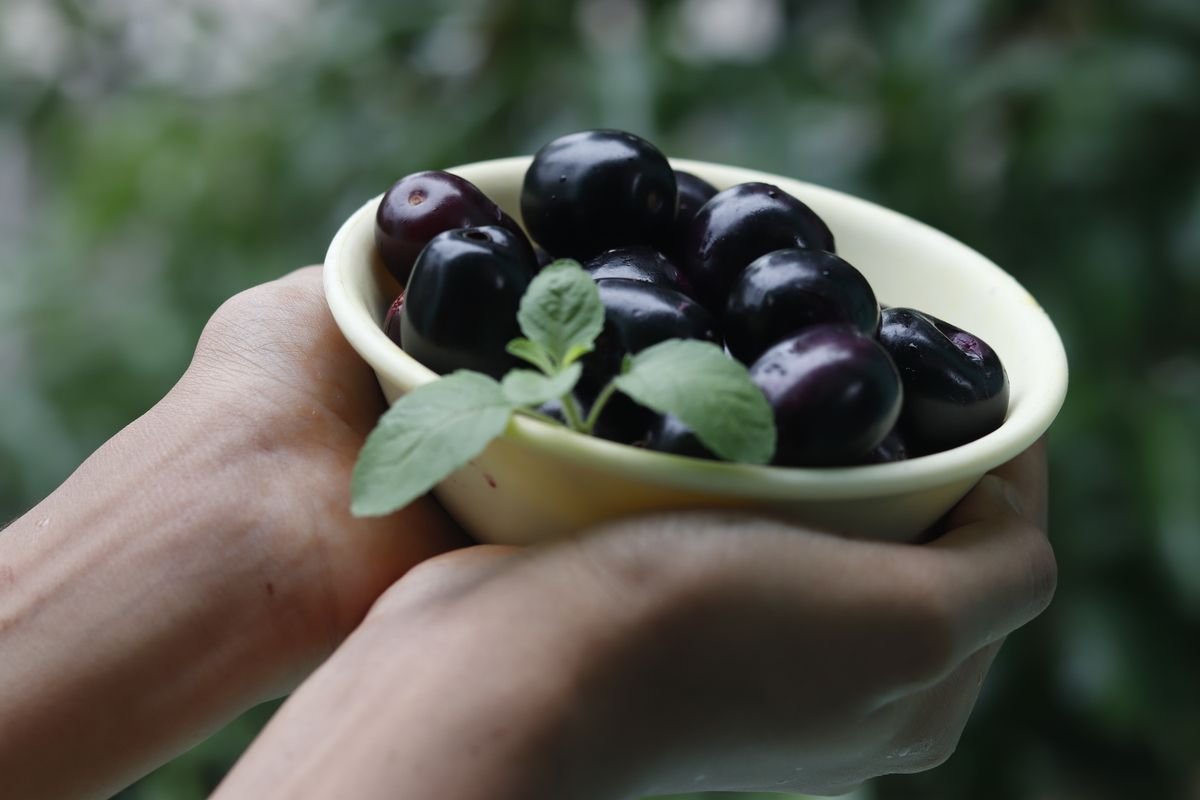
- Eat the fresh fruit. Eat a small bowl of fresh jamun — about 8 to 10 fruits, or 100 grams — as a mid-morning or evening snack. Wash it well first. A pinch of black salt cuts the astringency and helps digestion.
- Jamun seed powder. Dry the seeds in the shade for a week, then grind them into a fine powder and store it in an airtight jar. Take half a teaspoon with a glass of water, twice a day, 30 minutes before meals. This traditional remedy is stronger than the fruit. Tell your doctor before starting it if you take diabetes medicine.
- Jamun juice. Blend fresh jamun with water and strain it. Drink half a glass, without sugar or honey. Eating the whole fruit is better — juice removes the fibre.
- Jamun vinegar. Jamun vinegar is made by fermenting the fruit, and it is used in Ayurveda for diabetes and digestion. Take one teaspoon diluted in a glass of water before meals. It is strong and sour, so start small.
- Dried jamun. Dried jamun is available outside the season — eat a small handful (about 30 grams) as a snack. Check the packet: some dried jamun has added sugar, which defeats the purpose for diabetes.
How Much Jamun Is Safe for Diabetes?
For most people with diabetes, a small bowl of jamun a day — about 100 grams, or 8 to 10 fruits — is considered safe, the amount used in most traditional guidance and hospital advice. CK Birla Hospital’s guide to jamun notes people on diabetes medicine should monitor blood sugar closely, since jamun can add to the sugar-lowering effect of their medicines.
Jamun is low in sugar, but a big bowl still contains sugar, and eating too much can cause stomach upset, constipation or a sudden drop in blood sugar if you also take medicine. Eat it in moderation, as a snack, not as a meal. If you sweeten your tea or desserts with gur, read our guide on is jaggery good for diabetes first — jaggery raises blood sugar almost like sugar does, and jamun cannot cancel that out.
Who Should Be Careful with Jamun?
Jamun is safe for most people in food amounts, but some should be careful:
- People taking diabetes medicine should monitor blood sugar closely — jamun can add to the medicine’s effect and push sugar too low. Tell your doctor before starting jamun seed powder.
- People with low blood sugar (hypoglycaemia) should avoid large amounts of jamun, especially on an empty stomach.
- Pregnant and breastfeeding women should eat jamun in normal food amounts only, and ask their doctor before taking jamun seed powder or jamun vinegar.
- People with kidney disease should ask their doctor first, because jamun contains potassium.
- People going for surgery should stop taking jamun seed powder at least two weeks before — it may affect blood sugar control during surgery.
- People with acidity or gastritis should avoid eating jamun on an empty stomach — its astringent nature can worsen discomfort.
Stop eating jamun and see a doctor if you feel dizzy, shaky, sweaty or confused after eating it — those are signs of low blood sugar, not a reaction to the fruit. And if you notice frequent urination, constant thirst or unexplained weight loss, read our guide on the early signs of diabetes in India and get tested — do not just eat jamun and hope.
FAQs About Jamun Benefits for Diabetes
Can diabetic patients eat jamun daily?
Yes, in season — a small bowl of about 100 grams a day is safe for most people with diabetes. Outside the season, use jamun seed powder or dried jamun in small amounts.
Is jamun good for diabetes?
Yes. Jamun has a low glycemic index of around 25, and jamboline and jambosine slow starch-to-sugar conversion. It helps steady blood sugar, but it is a support, not a replacement for medicine.
Is jamun seed powder better than the fruit?
The seed powder is stronger and more concentrated, and it is the form used in most diabetes research. The fruit is gentler and gives fibre, vitamin C and antioxidants as well. Many people use both: the fruit as a snack, the powder before meals.
Does jamun lower blood sugar immediately?
No. Jamun works gradually, by slowing sugar absorption and improving insulin use over days and weeks. Never use it to treat a high reading.
Conclusion
The jamun benefits for diabetes are real, well-known and easy to get: steadier blood sugar, better insulin use, fewer sugar spikes, strong antioxidants, and support for the heart, eyes, liver and immunity. It costs little, is already part of Indian summers, and has been used safely for centuries.
Start this summer: eat a small bowl of jamun as your evening snack, and if you take diabetes medicine, check your sugar a little more often for the first week. That is the honest test — and for most people, it works. But remember: jamun supports diabetes care, it does not replace it. Keep your medicine, your check-ups, and your blood sugar tested.
Disclaimer: This article is for general information only and is not medical advice. Jamun is a food, not a medicine. If you have diabetes, are pregnant, breastfeeding, taking regular medicine, or have kidney disease, talk to your doctor before eating jamun regularly or taking jamun seed powder. Never stop prescribed diabetes medicine in favour of jamun. If symptoms persist or get worse, seek medical care.