


Ayurveda is the oldest health system still in daily use in India — and for most Indian families, it is not a theory, it is the kitchen shelf. Haldi doodh for a cold, tulsi tea for a sore throat, saunf after a heavy meal, ajwain water for gas: these are ayurveda home remedies, passed down for generations, and they work because they are built on ingredients the body already knows.
This hub brings all of WellHealthOrganic’s guides to ayurveda home remedies into one place. You will find kitchen remedies for digestion, herbs for immunity and sleep, Ayurvedic eating habits, and honest safety notes — what each remedy can and cannot do, and who should be careful with it.
How Ayurveda Thinks About Health
Ayurveda does not treat one symptom at a time. It asks why the body is out of balance, and it answers with food, routine and herbs. Three ideas run through everything here. First, digestion (agni) is the centre: if food is not digested well, nothing else works properly, which is why so many Ayurvedic remedies start with the stomach.
Second, daily routine (dinacharya) matters as much as any herb: regular meals, enough sleep and a calm morning do more than any single powder. Third, food is medicine and medicine is food — the same haldi, jeera, tulsi and amla that flavour your meals are the remedies themselves.
None of this replaces modern medicine. Ayurveda home remedies support health and ease everyday complaints; they do not cure serious disease, and they should never replace prescribed medicine. Use this hub as a starting point, and check the safety notes on each guide before you start anything new.
Kitchen Remedies That Actually Work
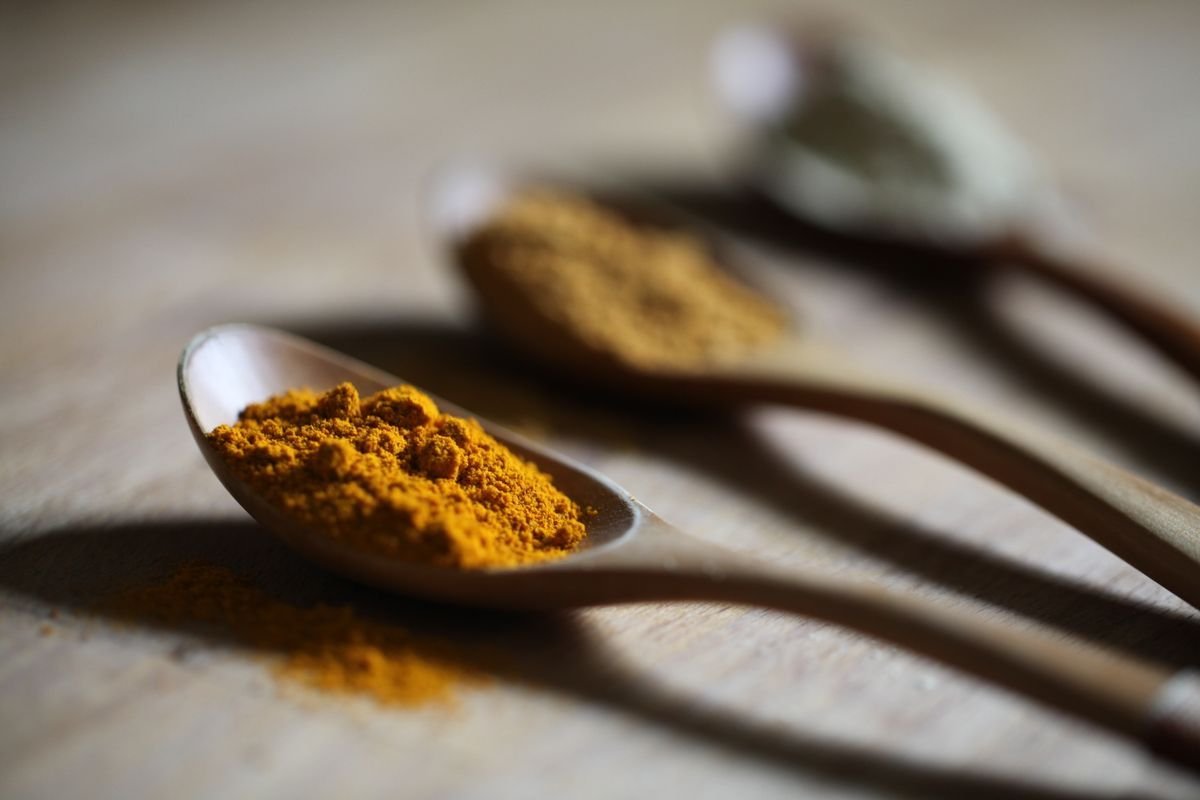
The strongest ayurveda home remedies are the ones already in your kitchen. Turmeric milk (haldi doodh) is the classic: warm milk with haldi, a pinch of black pepper and a little ghee, drunk before bed for colds, joint pain and sleep. Saunf (fennel seeds) is the simplest digestive in India — chew a teaspoon after meals, or soak it overnight for saunf water in the morning.
Dhania (coriander seed) water works the same way for bloating and acidity. Mulethi (licorice root) soothes sore throats and coughs, and papaya helps digestion with its natural enzyme papain.
For skin, the kitchen shelf helps too. Neem leaves are the traditional remedy for pimples and itchy skin — used as a paste, a wash or a toner. For coughs and colds, home remedies with ginger, honey and steam cover the basics that doctors still recommend first: warm fluids, honey for cough, and steam for a blocked nose. And for joint pain in winter, 10 home remedies explain which oils, foods and habits actually ease stiffness.
Herbs for Immunity, Sleep and Stress
Beyond the kitchen, ayurveda home remedies include a small set of herbs that most families keep at home. Tulsi (holy basil) is the everyday one — a few leaves in hot water make a tea that calms coughs, settles the stomach and eases stress. Ashwagandha is the stress and sleep herb: it supports calm and deeper sleep, but it is not for everyone, and pregnant women should avoid it. Amla is the vitamin C storehouse — one fruit has more vitamin C than most supplements, and it supports immunity, hair, skin and digestion at once. Giloy is the immunity kadha herb, boiled into a bitter decoction during fever season.
Chyawanprash is the traditional winter tonic, a jam of amla and herbs taken by the spoonful. And desi ghee, in small amounts, is Ayurveda’s carrier — it helps the body absorb the herbs it is cooked with.
For sleep, the gentlest Ayurvedic option is not a herb at all: chamomile tea is a mild, safe night drink, and turmeric milk before bed works the same way. Start with one remedy at a time, use it for two weeks, and notice what changes before adding another.

Ayurvedic Eating: Dinner Matters Most
Ayurveda pays more attention to when you eat than to what you eat. The Ayurveda dinner guide explains the core rule: dinner should be the lightest meal of the day, eaten early, warm and easy to digest — khichdi, soup or sabzi with roti, never a heavy fried meal late at night. A light dinner improves digestion overnight, and better digestion means better sleep, clearer skin and steadier weight.
The same principle runs through the belly-fat Ayurvedic remedies — jeera water, triphala, warm water in the morning and an early light dinner — and through triphala for digestion, the three-fruit formula taken at night for constipation and gut health. Shatavari is the women’s-health herb in this tradition, used for hormonal balance, while oil of oregano is a newer addition to the home-remedy shelf — a strong antimicrobial oil that must be diluted and used carefully, never neat.
Safety First: Who Should Be Careful
These ayurveda home remedies are natural, but natural does not mean safe for everyone. Pregnant and breastfeeding women should avoid ashwagandha, shatavari in medicinal doses, and concentrated herbal oils. People taking diabetes, blood pressure or blood-thinning medicine should tell their doctor before starting giloy, mulethi or triphala, because herbs can add to a medicine’s effect. Children should get food amounts only, not adult herbal doses. And anyone with liver or kidney disease should avoid concentrated herbal powders and oils unless a doctor approves.
Two rules cover most of it: start with food amounts, not supplement doses — a cup of tulsi tea is food, a spoonful of concentrated extract is medicine. And if a symptom lasts more than a few days, gets worse, or comes with fever, weight loss or pain, see a doctor instead of trying another remedy.
How to Use This Hub
Start with the complaint, not the herb. Digestion trouble? Begin with saunf water, dhania water and the Ayurveda dinner guide. Poor sleep or stress? Try chamomile tea, ashwagandha and turmeric milk. Frequent colds? Build your ayurveda home remedies immunity shelf: amla, giloy, tulsi and chyawanprash. Skin trouble? Neem and papaya first. Each guide below gives the recipe or dose, how long to use it, and who should avoid it — read that part before you start.
Disclaimer: This page is for general information only and is not medical advice. These ayurveda home remedies are traditional practices, not a replacement for diagnosis or prescribed treatment. If you are pregnant, breastfeeding, taking regular medicine, or have liver or kidney disease, talk to your doctor before using herbal remedies. If symptoms persist or get worse, seek medical care.
All Ayurveda & Home Remedy Guides
- Turmeric Milk (Haldi Doodh): Benefits, Correct Recipe, and When It Helps Most
- Tulsi (Holy Basil): Benefits, Tea Recipe and Everyday Uses in Ayurveda
- Ashwagandha: Benefits for Stress and Sleep, Dosage, and Who Should Not Take It
- Amla for Health: Benefits for Immunity, Hair, Skin and Digestion
- Chyawanprash Benefits: How to Eat It, Dosage & Who Should Avoid It
- Desi Ghee Benefits: How Much to Eat Daily, Uses & Who Should Avoid It
- Joint Pain in Winter: Why It Gets Worse and 10 Home Remedies That Help
- Shatavari for Women’s Health: Traditional Uses, Benefits and Safety Notes
- Home Remedies for Cold and Cough in Winter: Ginger, Honey, Steam and When to See a Doctor
- Saunf Benefits: Fennel Seeds for Digestion, Weight and Skin
- Neem Leaves Benefits for Skin
- Dhania Water Benefits: Coriander Seeds Water for Digestion
- Mulethi Benefits: Licorice Root for Throat, Digestion and Skin
- Papaya Benefits for Digestion
- Chamomile Tea Benefits for Sleep
- Ayurveda Dinner: What to Eat at Night for Better Digestion and Sleep
- Health Benefits and Side Effects of Oil of Oregano
- Giloy Benefits for Immunity: How to Use, Kadha Recipe & Side Effects
- Triphala Benefits for Digestion: How to Take It, Dosage & Side Effects